
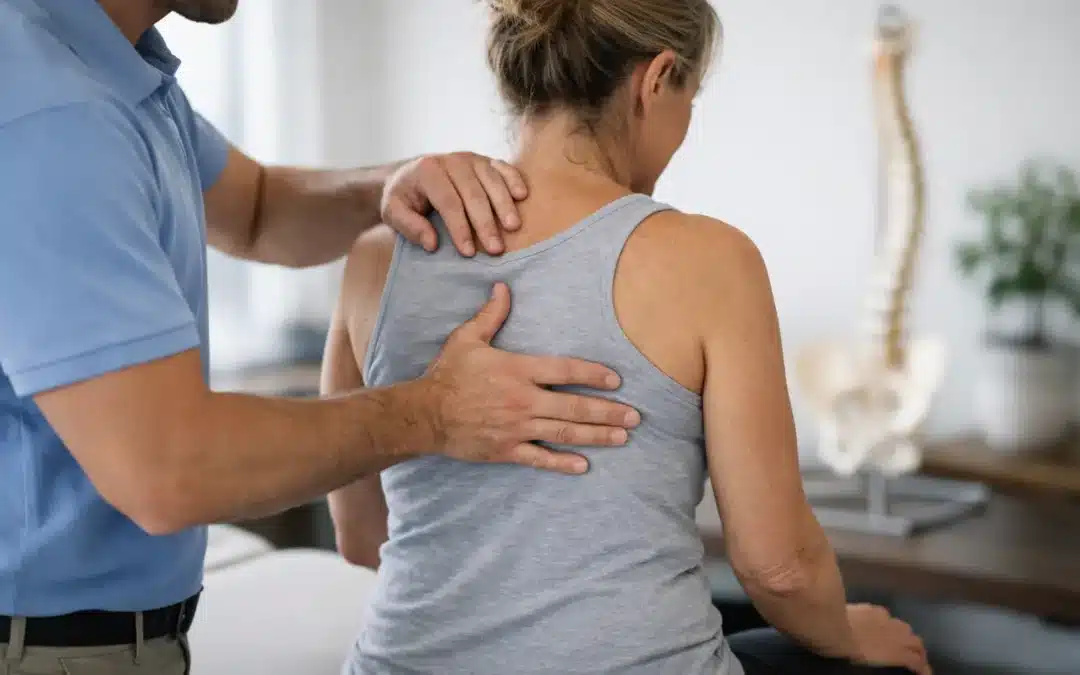
Back pain rarely stays in one lane. It can start as a dull ache after long hours at a desk, flare after lifting something awkward, or build slowly from stress, posture changes, old injuries, and poor movement patterns. That is why many people look for a manual osteopath for back pain when stretching, rest, or short-term fixes are no longer enough.
A hands-on osteopathic approach looks beyond the sore spot. Instead of asking only, “Where does it hurt?” a manual osteopath also asks, “Why is this area under strain in the first place?” For many patients, that shift matters. Real relief from pain often comes from understanding the chain of tension, restriction, compensation, and movement imbalance that led to it.
Many patients looking for a Milton Osteopath are surprised to learn that back pain is not always caused by the area where they feel discomfort. Restrictions in the hips, pelvis, thoracic spine, rib cage, and surrounding muscles can all influence how the lower back functions.
What a manual osteopath for back pain actually does
Manual osteopathy is a non-invasive, hands-on therapy that focuses on how the body’s structure and function work together. In plain terms, that means your spine, ribs, hips, pelvis, muscles, fascia, and joints do not operate in isolation. If one area loses mobility or starts compensating, another area often pays the price.
When someone comes in with back pain, the treatment is not limited to the part of the back that feels tight or inflamed. A manual osteopath assesses posture, joint motion, tissue tension, breathing mechanics, gait, and overall body alignment. Sometimes the problem is local. Sometimes the pain in the low back is connected to restricted hips, an unbalanced pelvis, tension through the diaphragm, poor thoracic mobility, or a pattern of guarding after a previous injury.
Treatment usually involves gentle manual techniques designed to reduce restriction, improve mobility, support circulation, and help the body move more efficiently. Depending on the person, this may include soft tissue work, joint mobilization, myofascial release, stretching of restricted structures, and subtle corrective techniques aimed at restoring balance.
Why back pain is often more complicated than it seems
Back pain is common, but common does not mean simple. Two people can both say, “My lower back hurts,” and need very different care.
One person may have pain that worsens after sitting all day and feels better once they start moving. Another may have pain after a sports injury, pregnancy-related changes, repetitive lifting, or compensation from an old ankle, knee, or hip issue. Some people feel stiffness first thing in the morning. Others notice sharp pain with bending, twisting, coughing, or standing too long.
This is where a whole-body approach can be helpful. Back pain is not always just a back problem. If the pelvis is rotating unevenly, if the hips are not absorbing load well, or if the upper back is stiff and forcing the lower back to do too much, the painful area may be acting more like the messenger than the main cause.
That does not mean every case has a hidden complex explanation. Sometimes a strain is a strain. But when pain keeps returning or never fully settles, looking at the whole picture becomes more important.
Looking Beyond the Pain
My background in engineering has influenced how I assess movement and compensation patterns. Rather than focusing only on the painful area, I look at how different regions of the body work together and whether movement restrictions elsewhere may be contributing to the problem.
In many cases, back pain behaves like a system problem rather than a single-point problem. The painful area may be where symptoms appear, but the contributing factors may involve the hips, pelvis, upper back, breathing mechanics, posture, or daily movement habits.
Who may benefit from seeing a manual osteopath for back pain
Many adults seek osteopathic care when they want a natural, hands-on option that does more than temporarily dull symptoms. This approach can be especially useful for people whose pain is linked to posture, repetitive strain, movement limitations, muscular tension, pregnancy-related body changes, sports overuse, or recovery after minor injuries.
Desk workers often benefit because prolonged sitting tends to affect more than the low back alone. It can stiffen the hips, shorten the front of the body, limit rib movement, and increase tension through the neck and shoulders. Active adults and athletes may benefit when repeated loading, impact, or asymmetry starts creating strain patterns that the body can no longer compensate for.
Seniors may also find this type of care valuable when the goal is not just pain reduction but maintaining mobility, balance, and day-to-day function. For some patients, treatment supports easier walking, standing, bending, or getting up from a chair. For others, it helps them return to exercise, work, or sleep with less discomfort.
What to expect at an appointment
A good assessment should feel thorough, not rushed. You can expect questions about when your pain started, what makes it worse or better, how it affects your daily activities, and whether there are any related symptoms such as stiffness, referral into the hips or legs, or recurring flare-ups.
The physical assessment often includes observing posture, checking spinal and pelvic motion, feeling for areas of tension or restriction, and testing how nearby structures are functioning. If your upper back is rigid, your hips move poorly, or one side of your body is carrying more load than the other, that becomes part of the clinical picture.
Treatment is then tailored to what your body is showing on that day. That matters because back pain is not static. Some visits may focus on calming acute irritation and reducing protective muscle tension. Other visits may focus more on restoring movement, improving mechanics, and helping your body hold changes over time.
At Osteo Difference, that individualized care is central to the process. Patients often want someone who listens carefully, explains clearly, and adjusts treatment to their comfort level and goals. That trust matters, especially when pain has been lingering for a while.
How manual treatment may help
The goal is not simply to “crack” or force the body into place. A manual osteopath works to improve how the body moves and adapts. When tissues are less restricted and joints move more normally, the body often has an easier time distributing force, reducing irritation, and recovering.
Some patients notice less pain right away. Others first notice that they can move more freely, stand straighter, breathe more easily, or turn without bracing. These changes can be meaningful because improved movement often creates the conditions for pain to decrease over time.
There is also a practical benefit to hands-on care that many patients appreciate. It helps make patterns visible. You may not realize that your low back keeps tightening because your hips are not extending well, your core is not coordinating effectively, or your upper body is rotating unevenly. Once those patterns are identified, treatment can be more focused and more useful.
When it depends
Not every kind of back pain responds the same way, and honest care means saying that clearly. If your pain is mild and mostly mechanical, manual osteopathy may help quite quickly. If your pain has been present for months or years, if several body regions are involved, or if your work and daily habits keep reinforcing the problem, improvement may take longer.
There are also situations where hands-on care should be approached carefully or may not be the first step. Severe trauma, unexplained weight loss, fever, changes in bowel or bladder control, progressive weakness, or numbness that is getting worse should be medically assessed promptly. A responsible practitioner recognizes when referral is needed.
Even in less urgent cases, treatment works best when it fits the person. Some people need short-term relief to get through a painful flare. Others need a broader plan focused on mobility, load management, and preventing the same pattern from coming back. It depends on your history, your body, and what is driving the pain.
Research on Manual Therapy and Back Pain
Research supports the use of manual therapy as part of a comprehensive approach to managing low back pain. A systematic review published in the Journal of Orthopaedic & Sports Physical Therapy found that manual therapy can improve pain and function in individuals with low back pain when used as part of an appropriate treatment plan.
Research article:
https://www.jospt.org/doi/10.2519/jospt.2021.0304
While every patient is different, evidence suggests that hands-on treatment combined with movement, education, and individualized care may help many people manage mechanical back pain more effectively.
Why people choose this approach over symptom-only care
Many people are tired of cycling between rest, temporary relief, and recurring pain. They want care that looks at the whole picture and helps them understand what their body is doing. That is one reason manual osteopathy appeals to patients dealing with stubborn back pain.
Many patients seeking back pain treatment in Milton work in office environments, spend long hours commuting, perform physically demanding work, or balance active lifestyles with family responsibilities. These daily demands can create movement compensations and strain patterns that contribute to recurring back pain over time.
The hands-on nature of treatment can feel reassuring, but the greater value often lies in the clinical reasoning behind it. If pain relief is the only goal, short-term strategies may help for a while. If the goal is lasting improvement, the source of restriction and compensation has to be considered.
That is especially true for people balancing work, parenting, exercise, and the physical demands of daily life. They do not just want to feel better on the treatment table. They want to move better at home, sit longer without paying for it later, return to activity with confidence, and trust that their care is aimed at long-term healing.
If you have been dealing with recurring or persistent back pain, a manual osteopath may be worth considering - not as a one-size-fits-all fix, but as a thoughtful, personalized way to help your body recover, move more freely, and feel supported in the process.
At Osteo Difference, many patients from Milton, Campbellville, Halton Hills, Oakville, and Burlington seek osteopathic care because they want a personalized approach that looks beyond symptoms and focuses on long-term function, mobility, and recovery.
Key Takeaways
- Back pain is often influenced by more than the painful area itself.
- Restrictions in the hips, pelvis, thoracic spine, and surrounding tissues may contribute to symptoms.
- Manual osteopathy focuses on identifying and addressing movement restrictions and compensation patterns.
- Treatment is individualized based on your symptoms, history, and physical assessment.
- A whole-body approach may help reduce recurring flare-ups and improve long-term movement quality.
- Many people seeking a Milton Osteopath for back pain are looking for lasting improvement rather than temporary symptom relief.
Frequently Asked Questions
Can a Milton Osteopath help back pain?
Many forms of mechanical back pain may benefit from osteopathic manual therapy. Treatment focuses on improving movement, reducing restriction, and identifying factors that may be contributing to symptoms.
Can osteopathy help sciatica?
Sciatica symptoms can have several causes. If symptoms are related to movement restrictions, muscle tension, or mechanical strain, osteopathic treatment may be part of a broader management approach.
Is osteopathic treatment painful?
Treatment is typically gentle and adapted to the patient's comfort level. Techniques are selected based on individual needs and presentation.
How many treatments will I need?
The number of treatments varies depending on the duration, severity, and complexity of the condition. Some patients notice improvement quickly, while others require a longer treatment plan.
When should I seek medical attention?
Symptoms such as progressive weakness, significant numbness, loss of bowel or bladder control, unexplained weight loss, fever, or severe trauma should be assessed by a medical professional promptly.