
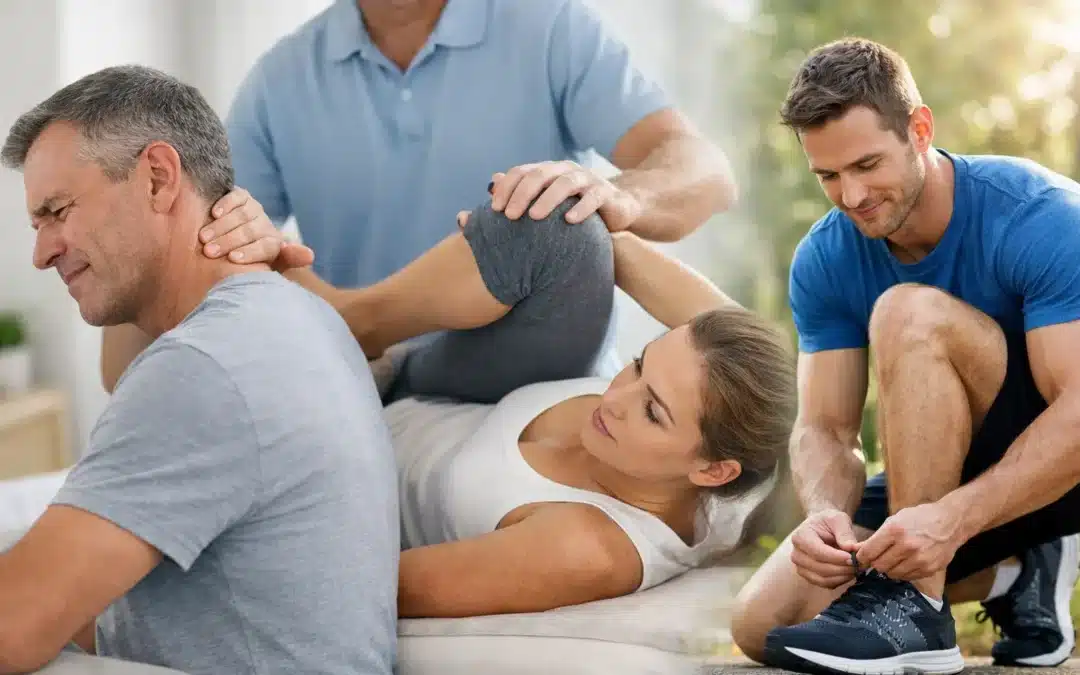
A stiff neck that returns every workweek, low back pain that flares after lifting groceries, or a knee that never felt quite the same after a run can change more than your schedule. It can make ordinary movement feel uncertain. The most meaningful osteopathy benefits come from looking beyond the sore area to understand how your body is moving, compensating, and carrying strain as a whole.
Osteopathic manual therapy is a hands-on approach that assesses the relationships between joints, muscles, connective tissue, circulation, posture, and movement. Rather than simply chasing symptoms, an osteopathic manual practitioner considers why a particular area may be under stress in the first place. Treatment is gentle, individualized, and designed to support your body’s ability to move more comfortably and function more freely.
What Osteopathic Manual Therapy Looks At
Pain does not always begin where you feel it. A person with recurring shoulder tension, for example, may also have restricted movement through the upper back, a forward-head work posture, or limited rib movement that affects how the shoulder works. Someone with low back discomfort may be compensating for a past ankle injury, hip stiffness, or long hours spent sitting.
This whole-body perspective is central to osteopathic care. Your appointment should begin with a conversation about your symptoms, health history, daily routines, injuries, and goals. The practitioner then assesses posture, mobility, tissue tension, and movement patterns. From there, treatment may involve gentle joint mobilization, soft-tissue techniques, stretching, myofascial work, and other manual approaches suited to your needs and comfort.
The goal is not to force the body into a position. It is to reduce restrictions, improve movement options, and help the body stop relying on painful compensations.
Osteopathy Benefits for Common Pain Concerns
Relief that considers the source of pain
Many people seek osteopathic treatment because they want real relief from pain without relying only on short-term symptom management. Manual therapy can help reduce tension and sensitivity in muscles and connective tissues, while improving how joints move. For some people, this can ease discomfort related to back pain, neck pain, sciatica, headaches, TMJ tension, joint stiffness, and repetitive strain.
Results vary, and pain can have many causes. A single treatment is not a promise that a long-standing problem will disappear. However, when pain is linked to movement restrictions, muscular tension, postural strain, or recovery from a minor injury, a thoughtful treatment plan can be an important part of getting back to daily life with greater confidence.
Better mobility for everyday movement
Mobility is not only about athletic performance. It is being able to turn your head while driving, reach a high shelf, walk comfortably through the neighborhood, get down to the floor with a child, or stand up after a long meeting without bracing for pain.
Osteopathic manual therapy can support mobility by addressing stiffness in the joints and surrounding tissues. When one area has been moving less, another area often works harder to compensate. Restoring more balanced movement through the spine, hips, shoulders, ribs, or ankles may reduce that extra workload.
For seniors, maintaining comfortable movement can support independence and confidence. For desk workers, it may mean fewer end-of-day aches and easier posture changes. The right approach depends on your health history, activity level, and what movement matters most to you.
Support for posture-related tension
Posture is often blamed for pain, but there is no single perfect posture that every person must hold all day. The real problem is usually staying in one position for too long or lacking the mobility and strength to change positions comfortably.
Osteopathic care can help when prolonged sitting, computer work, driving, or repetitive tasks contribute to tight shoulders, upper-back discomfort, jaw tension, or headaches. Treatment may focus on areas that commonly become restricted, including the neck, upper back, chest, ribs, and pelvis. Your practitioner may also discuss practical changes, such as movement breaks, workstation adjustments, sleep positioning, or exercises that fit your routine.
That combination matters. Hands-on treatment can create an opportunity for easier movement, while day-to-day habits help maintain the progress.
A more complete approach to injury recovery
After a sports injury or overuse problem, the painful area deserves attention, but it is rarely the entire story. A runner with calf tightness may have reduced ankle motion. A tennis player with elbow pain may be overloading the arm because of shoulder or upper-back restrictions. Returning too quickly to activity can also reinforce compensations.
Osteopathic manual therapy may support recovery by helping improve tissue mobility, joint movement, and body awareness as you gradually return to activity. It can work alongside rehabilitation exercises, training modifications, and care from other health professionals when needed.
The trade-off is that recovery requires patience. Treatment should support an active, realistic plan rather than encourage you to push through sharp pain or ignore signs that an injury needs medical assessment.
Benefits Beyond Muscles and Joints
The body’s systems do not operate in isolation. Restricted movement around the rib cage, diaphragm, abdomen, or pelvis can affect how comfortably a person breathes, moves, and manages daily tension. Gentle osteopathic techniques may also be used to support circulation and lymphatic flow, particularly when swelling, heaviness, or post-surgical stiffness is part of a broader care plan.
Some patients also seek care for digestive discomfort, headaches, or stress-related tension. These concerns can be influenced by many factors, including diet, sleep, stress, medications, medical conditions, and movement habits. Osteopathic treatment may help address structural tension that contributes to discomfort, but it is not a substitute for medical diagnosis or appropriate medical care.
A responsible practitioner will recognize when symptoms need further investigation. New or severe headaches, unexplained weight loss, chest pain, numbness, weakness, fever, significant swelling, or bowel and bladder changes should be assessed promptly by a medical professional.
Why Personalized Care Makes a Difference
Two people can have the same diagnosis and need very different care. One person’s back pain may be related to an acute lifting strain; another’s may involve years of sitting, poor sleep, hip stiffness, and fear of movement after a previous injury. Treating both people the same way misses the whole picture.
Personalized osteopathic care considers your current symptoms, what has happened before, how you spend your day, and what you want to be able to do again. For a parent, that may be lifting a toddler without pain. For an athlete, it may be returning to training with better control and fewer flare-ups. For a pregnant patient, it may be finding more comfort as the body adapts to rapid physical changes.
At Osteo Difference, the focus is on listening carefully, explaining what may be contributing to your discomfort, and creating a plan that feels practical for your life. Progress is often measured in meaningful details: sleeping more comfortably, walking farther, moving with less guarding, or getting through a workday without constant distraction from pain.
What to Expect After Treatment
Some people feel looser or more comfortable right away. Others notice gradual changes over the following days as the body adapts to treatment. Mild tenderness or fatigue can occur, particularly after work on areas that have been tense or restricted for a long time. Your practitioner can tell you what is typical for your situation and what to do between visits.
Lasting improvement often includes simple follow-through: staying gently active, completing recommended exercises, adjusting aggravating activities, and attending follow-up care when appropriate. The number of sessions varies. A recent minor strain may respond quickly, while persistent pain or complex movement patterns may need a longer, phased approach.
The best time to seek care is not only when pain becomes unbearable. If discomfort is limiting your movement, changing how you work or sleep, or keeping you from the activities that make you feel like yourself, a whole-body assessment can offer a clearer path forward. Gentle, attentive care can help you understand your body better and take the next step toward moving with more ease.