
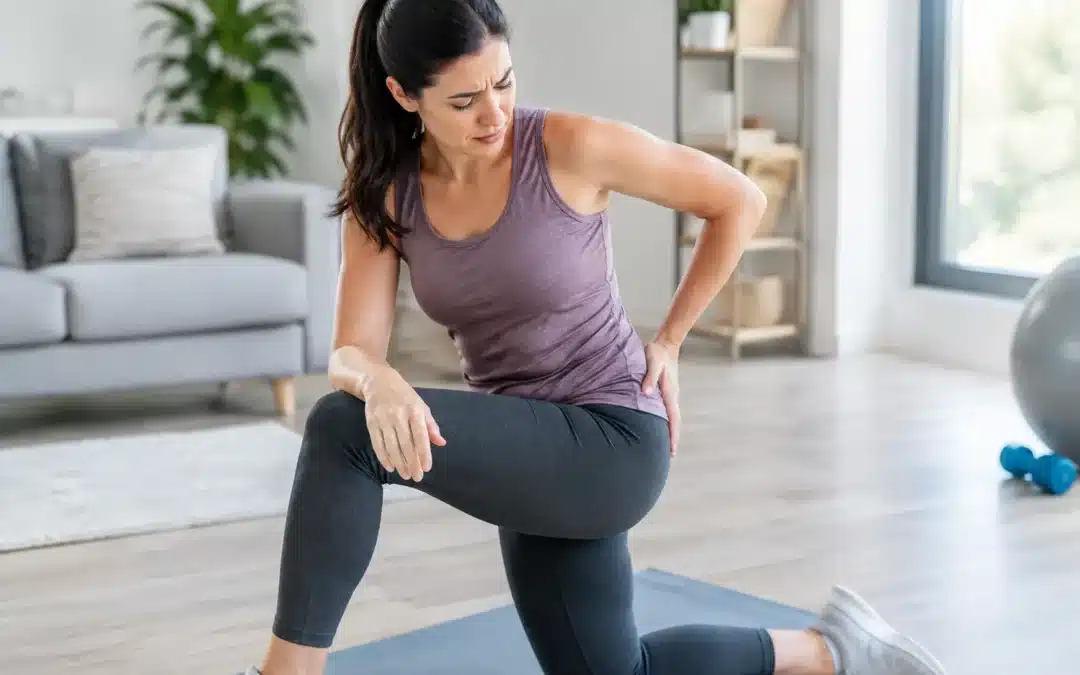
A deep ache after sitting through a workday, a sharp pinch when getting out of the car, or stiffness on the first few steps in the morning can make ordinary routines feel much harder. Learning how to ease hip pain starts with respecting what your body is telling you: the hip may hurt, but the source of strain is not always located in the hip itself.
The hip is a major load-bearing joint. It works closely with the lower back, pelvis, knees, feet, and core every time you walk, climb stairs, exercise, or simply stand. That is why lasting relief often takes more than stretching the sore spot. A whole-body approach looks at your movement habits, surrounding muscles, daily demands, and the pattern behind the discomfort.
Start by Noticing Your Hip Pain Pattern
Hip pain can feel very different from person to person. Pain at the front of the hip or in the groin may be linked to the hip joint or hip flexor muscles. Pain on the outside of the hip is often aggravated by lying on that side, walking longer distances, or climbing stairs. Pain felt in the buttock can sometimes be related to the low back, deep gluteal muscles, or irritation traveling from the spine.
Pay attention to when the pain appears. Does it begin after a long drive, a run, lifting, gardening, or sleeping in one position? Is it worse with movement, or does it ease once you have warmed up? These details can help identify whether the area is reacting to overuse, prolonged positioning, reduced mobility, a recent injury, or compensation elsewhere in the body.
You do not need to diagnose yourself. But observing the pattern gives you useful information and helps you make better choices about activity, rest, and professional care.
How to Ease Hip Pain With Gentle Movement
When hip pain flares, it is tempting to stop moving altogether. Short-term rest can be appropriate after an aggravating activity, but complete inactivity can increase stiffness and make the supporting muscles less prepared for daily movement. The goal is usually relative rest: reduce movements that clearly provoke pain while maintaining comfortable, gentle activity.
Walking on level ground is often a useful starting point if it does not cause limping or increase pain afterward. Begin with a shorter distance than you think you can manage, then build gradually. A five- or ten-minute walk done consistently may be more helpful than one long walk that leaves you sore for two days.
Gentle mobility can also help. Try lying on your back with your knees bent and slowly rocking your knees side to side through a small, easy range. You might also bring one knee toward your chest only as far as feels comfortable, then switch sides. The purpose is not to force a stretch. It is to remind the hips and low back that movement can feel safe again.
If an exercise creates sharp pain, catching, numbness, or pain that lingers and escalates afterward, stop. More stretching is not always better, especially when a joint or irritated tendon needs time and a more specific treatment plan.
Build Support Around the Hip
Strong glutes, thighs, and core muscles can reduce unnecessary demand on the hip joint. This does not mean you need an intense workout while you are hurting. Early strengthening should feel controlled and manageable.
A simple option is a glute bridge. Lie on your back with your knees bent, gently tighten your abdominal muscles, and lift your hips only to a comfortable height. Another option is standing beside a counter for support and slowly shifting your weight from one leg to the other. These movements can help restore confidence and control without asking too much of a painful hip.
The right exercise depends on the cause of your symptoms. Someone recovering from a sports strain may need a different plan than a desk worker with stiff hip flexors or a senior who has noticed a gradual loss of balance and walking tolerance. If you are unsure, individualized guidance is worth seeking before pushing through pain.
Adjust the Habits That Keep Re-Irritating the Area
Small daily changes can make a meaningful difference because hips respond to repetition. If you sit for long periods, try changing positions every 30 to 60 minutes. Stand up, take a brief walk, or perform a few gentle weight shifts. A hip that stays bent all day can become stiff, particularly when the low back and glute muscles are also underactive.
Your chair setup matters, but there is no single perfect posture to hold all day. Aim for a position that lets both feet rest on the floor and avoids placing constant pressure on one side. Then move regularly. The best posture is often the next comfortable posture.
For sleep, avoid forcing yourself to lie on a painful side. If you sleep on your side, placing a pillow between your knees can help keep the pelvis more supported. Back sleepers may find that a pillow under the knees reduces tension through the low back and front of the hips. These adjustments will not fix every cause of hip pain, but they can reduce nighttime irritation and help you rest more comfortably.
Footwear can also influence how force travels through the legs. Worn-out shoes, sudden changes in footwear, or a major increase in walking can contribute to hip discomfort for some people. Consider whether anything changed around the time symptoms started, including your training surface, work routine, or daily steps.
Use Heat or Cold Based on What Feels Helpful
Heat may ease muscle tightness and morning stiffness. A warm shower, heating pad, or warm compress for 15 to 20 minutes can help the area relax before gentle movement. Keep the temperature comfortable and avoid falling asleep with a heating pad on.
Cold can be useful after an activity that creates a fresh flare-up or when the area feels irritated and sore. Use a cold pack wrapped in a cloth for brief periods, generally 10 to 15 minutes. Neither heat nor cold corrects the underlying issue, but both can be useful tools for calming symptoms while you address the larger pattern.
Over-the-counter pain medication may provide temporary relief for some people, but it is not right for everyone. Check with a pharmacist or health care professional if you have medical conditions, take other medications, are pregnant, or have questions about what is safe for you.
Look Beyond the Hip Joint
Persistent hip pain can be a compensation story. A stiff ankle, weak foot support, limited low-back movement, an old knee injury, or a habit of always carrying a child or heavy bag on one side can change how the pelvis moves. Over time, the hip may take on more work than it should.
This is where hands-on assessment can be valuable. Osteopathic manual therapy considers how the joints, muscles, connective tissues, circulation, and nervous system work together. Rather than focusing only on the place that hurts, treatment may include gentle work around the pelvis, lower back, legs, and surrounding tissues to improve mobility and reduce strain.
At Osteo Difference, care is centered on listening closely to the full history of your symptoms and daily life. For people in Milton and nearby communities, a personalized assessment can help clarify why a hip keeps flaring and which steps are most likely to support real relief from pain over time.
When Hip Pain Needs Medical Attention
Not every hip problem should be managed at home. Seek urgent medical care if hip pain follows a fall, collision, or other significant injury, especially if you cannot bear weight or the leg looks shortened or out of position.
You should also seek prompt evaluation for:
- severe or rapidly worsening pain
- fever, redness, warmth, or significant swelling around the hip
- numbness, weakness, or loss of bladder or bowel control
- unexplained weight loss, night sweats, or pain that repeatedly wakes you at night
- pain that persists, worsens, or limits normal walking despite several weeks of sensible self-care
These symptoms do not always signal a serious condition, but they deserve timely assessment. If you have had hip replacement surgery, inflammatory arthritis, osteoporosis, cancer history, or another significant health condition, ask your medical provider before beginning a new exercise routine.
Give Recovery Enough Time to Be Meaningful
Hip pain rarely improves because of one perfect stretch or one day of rest. More often, progress comes from a steady combination of comfortable movement, better load management, improved strength, and care that addresses the contributing factors. Expect some variation along the way, especially if your symptoms have been present for months.
Aim for small signs of improvement: getting out of a chair with less discomfort, walking a little farther, sleeping more soundly, or recovering faster after activity. Those changes matter. When your body is given the right support and a plan that looks at the whole picture, the hip can become less of a daily limitation and more of a part of life you trust again.