
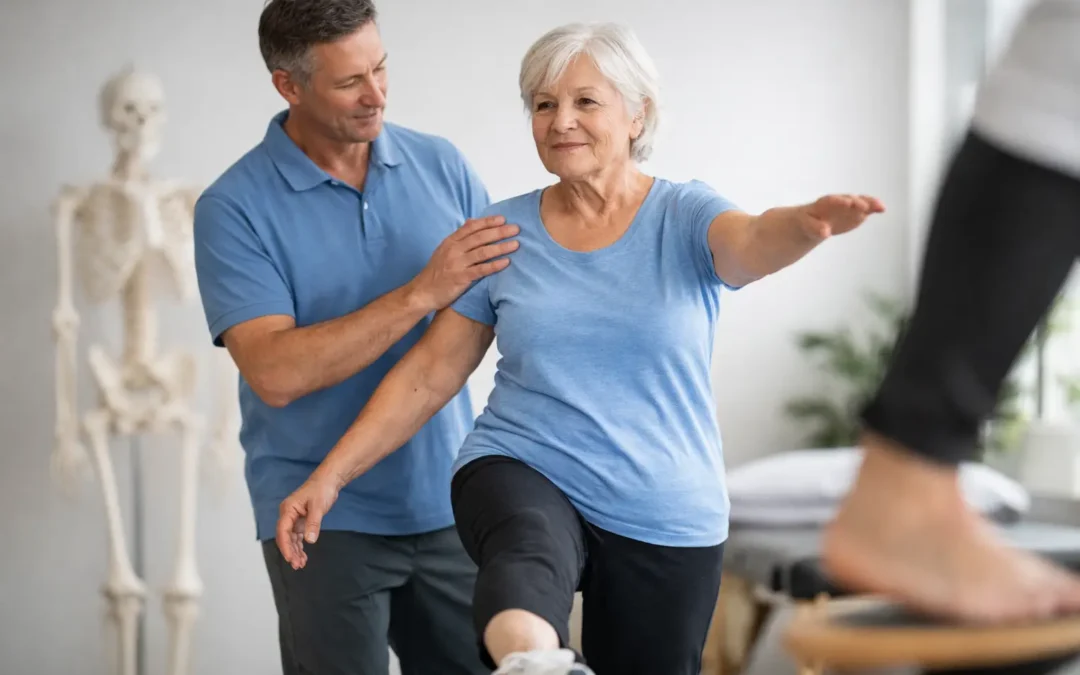
Getting out of a chair should not feel like planning a major effort. For many older adults, though, everyday movement starts to change in small ways first - a slower first step, more stiffness in the morning, less confidence on stairs, more caution when turning or reaching. That is often when families begin asking whether osteopathy for seniors mobility can help. In many cases, it can, especially when the goal is not just pain relief, but safer, easier movement throughout the day.
Osteopathy looks at how the body moves as a connected system. Instead of focusing only on one sore knee or one tight shoulder, it considers how joints, muscles, posture, circulation, and overall mechanics affect each other. For seniors, that whole-body view matters. Mobility changes are rarely caused by one issue alone.
Why mobility tends to change with age
Aging does not automatically mean severe pain or major loss of independence. But it often brings gradual physical changes that can affect how a person moves. Joints may become less flexible, muscles may lose strength, balance reactions can slow down, and old injuries can start to matter more. A person who managed well for years may suddenly notice that walking longer distances, getting into bed, or carrying groceries feels harder.
Sometimes pain is the main problem. Other times, stiffness, weakness, fear of falling, or reduced coordination play a larger role. It depends on the individual. Arthritis, spinal wear and tear, past surgeries, inactivity, and chronic tension can all contribute. Even digestive discomfort, shallow breathing, or poor sleep can indirectly affect mobility by reducing energy and making the body feel guarded.
This is why a personalized assessment matters. Two seniors with "hip pain" may need very different care. One may be dealing with joint restriction and lower back compensation. Another may be moving less because of balance concerns after a fall. The best care starts by understanding the full picture.
How osteopathy for seniors mobility works
Osteopathic manual treatment uses gentle hands-on techniques to improve motion, reduce strain, and support the body’s natural function. The approach is non-invasive and tailored to the person in front of the practitioner. For older adults, treatment is typically calm, careful, and adapted to comfort level, health history, and current ability.
An osteopath may assess how the spine moves, how the pelvis and hips are aligned, whether the rib cage is restricted, or whether tension in the feet and ankles is affecting balance. Areas that seem unrelated at first can still matter. A stiff upper back, for example, may change posture and make walking feel less stable. Limited ankle motion can alter gait and increase strain at the knees.
Treatment may help release restrictions in soft tissue, improve joint mobility, reduce compensatory tension, and support better body mechanics. In practice, that can mean standing up with less effort, walking with a smoother stride, turning more comfortably, or feeling less guarded during movement.
Osteopathy is not a cure for every age-related condition. It does not reverse advanced joint degeneration or replace medical management where needed. What it can often do is reduce the physical barriers that make daily movement harder than it needs to be.
Common mobility concerns osteopathy may support
Many seniors seek care because of one obvious complaint, but the real goal is usually broader. They want to move around the house more easily, stay active, keep up with family, and maintain independence.
Osteopathy may be helpful when mobility is affected by back pain, neck tension, hip stiffness, knee discomfort, shoulder restriction, postural strain, arthritis-related tightness, sciatica, reduced balance, or recovery after periods of inactivity. It can also support people who have become less confident in their bodies after a fall or near fall.
In some cases, the limitation is not severe pain but accumulated restriction. A person may say, "I just feel stiff everywhere." That kind of whole-body stiffness can still affect safety and quality of life. If getting dressed, climbing stairs, or walking outside starts to feel more difficult, it is worth looking at the patterns behind it.
Pain relief is only part of the goal
Pain matters, but mobility care should go further than lowering discomfort for a few hours. A thoughtful osteopathic approach aims to improve how the body functions as a whole. That means looking at movement quality, posture, ease of breathing, weight transfer, and how different regions of the body are compensating for one another.
When those patterns improve, people often notice practical changes. They may feel steadier when getting up at night, less stiff after sitting, or more willing to take a walk again. Those gains may sound small, but they can make a meaningful difference in day-to-day life.
What a senior can expect during treatment
A good treatment experience should feel respectful, clear, and unhurried. The appointment usually begins with questions about symptoms, health history, medications, injuries, surgeries, and daily activities. The practitioner also wants to know what matters most to the patient. Is the goal to garden again, walk without fear, sleep more comfortably, or manage stairs more safely?
The physical assessment is gentle and practical. It may include posture, walking pattern, joint motion, and areas of strain or restriction. Treatment is then adapted to the person’s needs. For seniors, forceful techniques are not the standard. Gentle manual work is often the better fit.
Some people respond quickly. Others improve gradually over several visits, especially if stiffness has been building for a long time. That is normal. Long-term mobility issues usually need a measured approach, not a rushed one.
When results vary
Results depend on several factors, including overall health, strength, activity level, the presence of arthritis or neurological issues, and how long the problem has been going on. Someone with mild stiffness and good baseline strength may notice change sooner than someone recovering from a fall with multiple chronic conditions.
This is where honest guidance matters. Osteopathy can be very helpful, but it works best as part of a broader mobility plan when needed. That may include medical follow-up, movement exercises, strength work, better footwear, home safety adjustments, or support from family members.
Osteopathy for seniors mobility and fall confidence
One of the most overlooked parts of mobility is confidence. After a fall, or even after a few unsteady moments, many seniors start moving more cautiously. That instinct is understandable, but it can create a difficult cycle. Less movement leads to more stiffness and weakness, which can make movement feel even less secure.
Osteopathic care may help by reducing physical restrictions that interfere with balance and walking. If the hips are moving poorly, the spine is rigid, or the feet and ankles are not adapting well, the body often becomes less efficient at staying steady. Improving those mechanics can support safer movement.
That said, balance concerns should always be taken seriously. If dizziness, sudden weakness, numbness, major gait changes, or repeated falls are happening, medical evaluation is essential. Hands-on care can support mobility, but certain symptoms need a broader medical workup.
Why whole-body care matters for older adults
Seniors rarely experience discomfort in neat categories. A sore back may affect walking. Reduced walking may worsen circulation and stiffness. Poor sleep may increase pain sensitivity. Guarded breathing may add tension through the ribs, neck, and upper back. This is why a holistic approach often makes more sense than chasing one symptom at a time.
At Osteo Difference, this whole-picture view is central to care. The goal is to understand what is driving the restriction, what the body is compensating for, and what kind of treatment will best support lasting improvement. For seniors, that often means care that is both gentle and practical - focused not only on where it hurts, but on what daily life has become harder to do.
Is osteopathy the right fit?
Osteopathy may be a good option for seniors who want a non-invasive, hands-on approach to pain, stiffness, and reduced mobility. It is especially worth considering when symptoms are affecting daily function but the person wants care that is individualized and focused on the root cause rather than temporary masking.
It may not be the only piece of the puzzle, and sometimes it should not be the first step. Severe or sudden symptoms, unexplained weight loss, acute swelling, chest pain, or neurological changes need prompt medical attention. Safe care always starts with knowing when another level of assessment is needed.
Still, for many older adults, thoughtful osteopathic treatment can be a valuable part of staying active, comfortable, and independent. When movement feels easier, life usually does too.
Aging changes the body, but it does not erase the value of moving well. With the right support, many seniors can feel steadier, less restricted, and more at ease in the routines that matter most.