
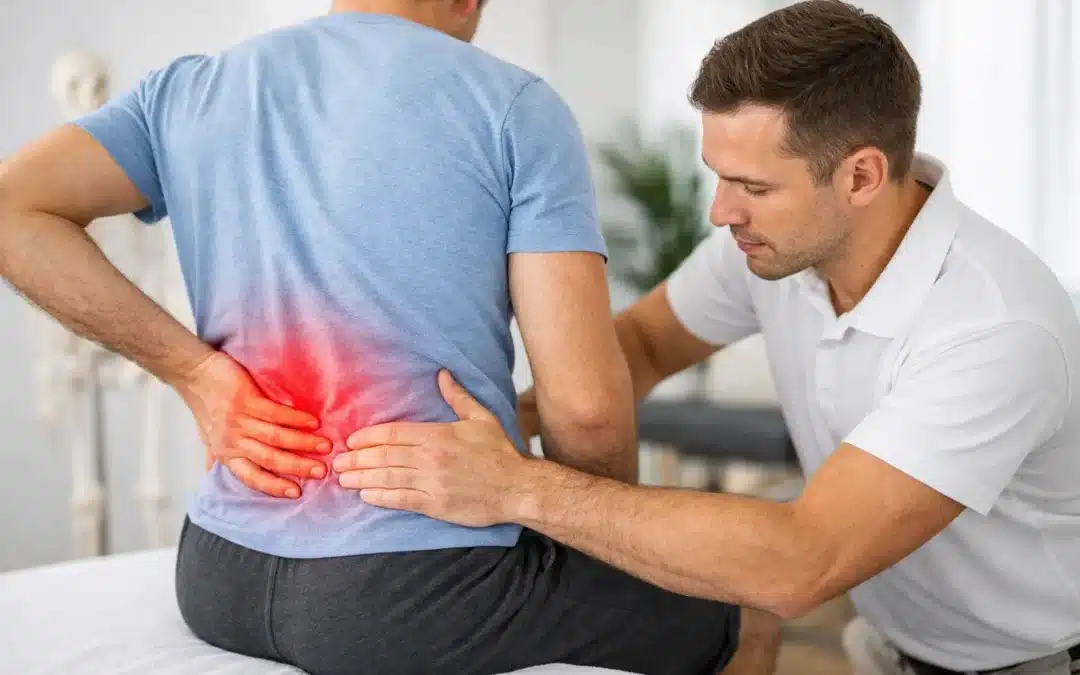
That sharp line of pain running from your low back into your hip or leg can make simple things feel complicated. Sitting through work, driving, sleeping, or even putting on shoes can become a daily negotiation. If you are wondering, can osteopathy help sciatica, the short answer is yes - for many people, it can be a helpful part of care, especially when treatment focuses on why the nerve is being irritated in the first place.
Sciatica is not really a diagnosis on its own. It is a pattern of symptoms that usually happens when the sciatic nerve, or one of the nerve roots that feed into it, becomes irritated or compressed. That irritation can come from a disc issue, joint restriction, muscle tension, postural strain, pregnancy-related changes, or a combination of factors. This is where osteopathy often becomes valuable, because it looks at the whole picture instead of chasing only the pain.
Many people seeking treatment for sciatica in Milton are surprised to learn that the source of their symptoms may not be located exactly where they feel pain. Movement restrictions in the lumbar spine, pelvis, hips, or surrounding muscles can all contribute to irritation of the sciatic nerve.
Can osteopathy help sciatica by treating the cause?
In many cases, yes. Osteopathic manual treatment is designed to improve how the body moves and functions as a connected system. With sciatica, the pain may be felt in the leg, but the real driver may involve the lower back, pelvis, hips, glutes, and even the way you stand, sit, walk, or recover from activity.
An osteopath does not simply ask where it hurts and work only there. A careful assessment looks at spinal mobility, pelvic alignment, muscle tension, joint mechanics, posture, gait, and everyday movement patterns. If the tissues around the lower back and pelvis are under strain, that can increase pressure on the nerve or make the area more sensitive. Gentle hands-on treatment may help reduce that strain, improve motion, and create better conditions for healing.
That said, sciatica is not one-size-fits-all. Some cases respond quickly. Others improve more gradually, especially if symptoms have been present for a long time or if there is significant disc involvement. Good care starts with understanding which type of sciatica you are dealing with.
Many cases of sciatica are associated with movement dysfunction, postural strain, prolonged sitting, repetitive loading, or poor load distribution through the pelvis and lower back. Identifying and addressing these factors is often an important part of long-term recovery.
What osteopathy may help with in sciatica cases?
When people think about sciatica, they often picture a trapped nerve and assume the solution must be aggressive. In reality, many people need the opposite. A calm, targeted approach can be more effective than forcing movement into an already irritated area.
Research suggests that manual therapy may help improve pain and function in people experiencing low back pain and related symptoms when used as part of a comprehensive treatment approach. While sciatica varies from person to person, restoring movement and reducing mechanical stress can be an important part of recovery. Reference: https://www.jospt.org/doi/10.2519/jospt.2021.0304
Osteopathic treatment may help by easing tension in the muscles and fascia around the lumbar spine, hips, and glutes. It may also improve motion in joints that have become stiff and overloaded. If one area is not moving well, another area often compensates, and those compensations can keep the nerve irritated.
For example, a person with long hours at a desk may have reduced hip mobility, tight hip flexors, and persistent lower back compression. An active adult may have gluteal tension and pelvic imbalance after a sports injury. A pregnant patient may be dealing with shifting weight distribution, ligament laxity, and pressure through the low back and pelvis. In each case, the sciatic pain may look similar, but the treatment plan should not.
This individualized approach is one of the main reasons osteopathy can be useful. The goal is not only to decrease pain, but also to restore better mechanics so symptoms are less likely to keep returning.
What a session may involve
If you have never had osteopathic manual treatment before, it is reasonable to wonder what actually happens during an appointment. A good visit starts with listening. Your practitioner should ask when the pain began, where it travels, what makes it worse, whether there is numbness or tingling, and how it affects your daily routine.
At Osteo Difference, many patients seeking osteopathic care for sciatica come from Milton, Georgetown, Acton, Halton Hills, and Campbellville. Although symptoms may appear similar, each assessment focuses on identifying the individual factors contributing to nerve irritation and movement dysfunction.
The physical assessment often includes looking at your posture, spinal movement, pelvic balance, walking pattern, and the mobility of nearby structures. Your osteopath may check whether certain motions reproduce symptoms and whether the tension is coming more from the spine, the surrounding soft tissues, or the way your body is compensating.
Treatment itself is usually hands-on and tailored to your comfort level. Techniques may involve gentle joint mobilization, soft tissue work, myofascial release, stretching of restricted tissues, and treatment to areas that are contributing to poor mechanics. In a clinic such as Osteo Difference, the focus is on attentive, personalized care, not rushing through a protocol.
You may also be given simple advice for positioning, movement, and daily habits. That can matter just as much as the table work. If you go back to the same sitting posture, lifting pattern, or sleep position that keeps stressing the area, progress may stall.
When osteopathy can be especially helpful
Sciatic pain often improves best when treatment begins before the body has spent months building compensation patterns around it. Early care may reduce muscle guarding, improve movement, and help prevent a short-term flare from becoming a chronic problem.
Osteopathy can be particularly helpful when sciatica is linked to mechanical strain. That includes pain associated with prolonged sitting, poor posture, repetitive lifting, tight hips, muscle imbalance, pregnancy-related pelvic stress, or recovery after a minor injury. In these situations, improving alignment, mobility, and tissue balance can make a meaningful difference.
It can also be useful for people who want a non-invasive approach. Many patients are looking for real relief from pain without relying only on medication. Osteopathic care does not replace medical evaluation when needed, but it can be a practical option for supporting recovery in a hands-on, personalized way.
Many office workers, commuters, tradespeople, active adults, and parents experience sciatica-related symptoms because of the cumulative effects of sitting, lifting, repetitive movements, and physical stress. Understanding these demands is an important part of creating an effective treatment plan.
When results depend on the bigger picture
There are times when osteopathy helps, but not on its own. If a disc herniation is causing significant nerve root irritation, treatment may still reduce surrounding tension and improve mobility, but healing may also require time, activity modification, and medical follow-up. If symptoms are severe or persistent, the best approach may involve coordinated care.
This is where honest assessment matters. A trustworthy practitioner should be clear about what osteopathy may improve, what needs monitoring, and when further evaluation is the safer step. The goal is never to force treatment to fit every case. It is to understand what your body is showing and respond appropriately.
Can osteopathy help sciatica if the pain goes into the foot?
It can, but symptom location alone does not tell the full story. Pain that travels below the knee or into the foot can suggest stronger nerve involvement, and that may mean recovery takes longer. Some people also notice numbness, weakness, or a burning sensation. These symptoms deserve careful assessment.
Osteopathy may still help reduce the mechanical stress contributing to nerve irritation, but deeper or more widespread symptoms can require a more cautious plan. If there is progressive weakness, loss of bladder or bowel control, saddle numbness, fever, unexplained weight loss, or pain that is intense and unrelenting, urgent medical care is needed.
What to expect after treatment
Some people feel easier movement and reduced pain after the first session. Others notice more subtle changes at first, such as less stiffness when getting up, better tolerance for sitting, or improved sleep. Recovery is often gradual because irritated nerves can stay sensitive even after the surrounding tension begins to settle.
You may also have good days and bad days early on. That does not always mean treatment is failing. Nerve-related pain can fluctuate, especially if daily habits continue to load the area. What matters is the overall trend. Are you moving better, recovering faster, and having fewer severe flares?
A thoughtful treatment plan usually considers both symptom relief and long-term prevention. That may include guidance on posture, work setup, movement breaks, exercise progression, and body mechanics. The hands-on care is part of the process, but lasting change often comes from combining treatment with better support for how your body moves every day.
Sciatica can be frustrating because it interrupts life in such ordinary moments. But ordinary moments are also where recovery starts - getting out of a chair more comfortably, walking without guarding, sleeping through the night, and trusting your body again. If your care looks at the whole picture, not just the pain line down the leg, progress often becomes much more possible.
Frequently Asked Questions About Osteopathy and Sciatica
Can a Milton Osteopath help sciatica?
Many people with mechanical or posture-related sciatica may benefit from osteopathic manual therapy. Treatment focuses on improving movement, reducing restriction, and addressing factors that may contribute to sciatic nerve irritation.
Can osteopathy help sciatica caused by a disc bulge?
Depending on the severity of the condition, osteopathic treatment may help reduce surrounding tension and improve mobility. However, disc-related symptoms may also require medical assessment and monitoring.
Is osteopathic treatment painful?
Treatment is typically gentle and adapted to the patient's comfort level. Techniques are selected based on individual presentation and goals.
How many treatments are usually required?
The number of treatments varies based on symptom duration, severity, and contributing factors. Some patients improve quickly, while others require a longer recovery plan.
When should I seek medical attention?
Progressive weakness, loss of bowel or bladder control, saddle numbness, severe trauma, fever, or unexplained weight loss require prompt medical assessment.
Key Takeaways
- Sciatica is a pattern of symptoms rather than a diagnosis itself.
- The source of sciatic pain may involve the lower back, pelvis, hips, muscles, joints, or surrounding tissues.
- Osteopathic manual therapy focuses on improving movement, reducing restriction, and addressing contributing factors.
- Movement dysfunction and compensation patterns can play a significant role in recurring symptoms.
- A whole-body approach may help reduce flare-ups and improve long-term function.
- Many patients seeking a Milton Osteopath for sciatica are looking for lasting improvement rather than temporary symptom relief.
If you are looking for a Milton Osteopath for sciatica, lower back pain, movement dysfunction, or recurring nerve-related symptoms, a thorough assessment may help identify the factors contributing to your condition and guide a personalized treatment plan. Patients from Milton, Georgetown, Acton, Halton Hills, and Campbellville often seek care when they want a non-invasive approach focused on improving movement and long-term function.