
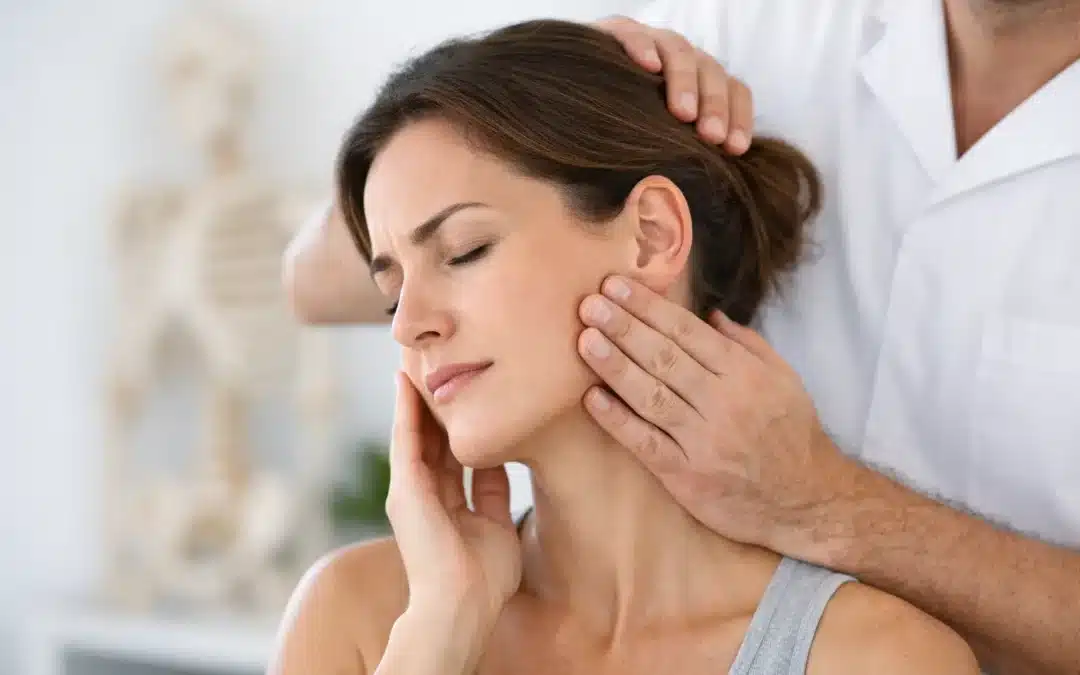
Jaw pain has a way of spreading into the rest of life. Chewing feels uncomfortable, a yawn becomes something to avoid, and headaches or neck tension can make it difficult to focus at work or sleep well. So, can osteopathy help TMJ concerns? For many people, osteopathic manual therapy can be a valuable part of a care plan by addressing tension, movement restrictions, and postural strain that may be contributing to jaw discomfort.
The TMJ, or temporomandibular joint, is not an isolated hinge. It works closely with the muscles of the jaw, head, neck, shoulders, and upper back. When one area is under strain, the jaw may be asked to compensate. A thoughtful osteopathic approach looks at that whole picture rather than focusing only on where the pain is felt.
Can Osteopathy Help TMJ Dysfunction?
TMJ is often used to describe jaw-related pain, clicking, limited opening, or a feeling that the jaw is tight or off track. More accurately, these symptoms are often called temporomandibular disorders, or TMD. The causes can vary widely. Clenching or grinding teeth, stress, prolonged screen time, an old neck injury, dental changes, arthritis, and even poor sleep can all play a role.
Osteopathic manual therapy does not replace dental, medical, or specialist care when it is needed. It can, however, help reduce musculoskeletal factors that may be maintaining symptoms. Through gentle hands-on assessment and treatment, an osteopathic manual practitioner may work to improve mobility in the jaw, relax overactive muscles, and reduce strain through the neck and upper body.
Some people notice that their jaw pain is most intense in the morning, which can point toward nighttime clenching or grinding. Others find that symptoms increase late in the workday, especially after hours at a computer with their head held forward. These patterns matter because they help identify what may be loading the jaw in the first place.
Relief depends on the underlying cause. If a person has a significant bite issue, dental infection, joint degeneration, or a disc-related problem inside the joint, osteopathy alone may not be enough. In those cases, coordinated care with a dentist, physician, or other appropriate provider is often the most sensible path.
Why the Neck and Posture Matter to Jaw Pain
The jaw and neck share muscles, nerves, and movement patterns. When the head sits forward for long periods, the muscles at the base of the skull, along the sides of the neck, and around the shoulders can become overworked. This may affect how the jaw rests and moves.
Consider the desk worker who spends much of the day leaning toward a laptop, holding a phone between the shoulder and ear, or concentrating through a tense jaw. The discomfort may begin as neck stiffness, then gradually become temple headaches, facial tension, or pain when chewing. Treating the jaw without considering the neck and upper back can leave an important part of the problem unaddressed.
An osteopathic assessment may also consider breathing patterns, rib and upper-back movement, shoulder position, and how the head moves over the spine. This is not about blaming posture for every symptom or demanding a perfectly straight sitting position. Bodies are meant to move. The goal is to identify areas that are not moving well and patterns that repeatedly overload the jaw.
What Osteopathic Treatment for TMJ May Involve
Treatment is individualized. A careful first visit should include questions about your symptoms, medical history, dental work, headaches, sleep, stress, injuries, and daily habits. Your practitioner may ask when the pain began, whether your jaw clicks or locks, and whether opening your mouth, chewing, or talking makes symptoms worse.
The physical assessment may look at how your jaw opens and closes, whether it shifts to one side, and how the muscles around the temples, cheeks, neck, and shoulders feel. Gentle palpation can help identify tenderness and tension. Your practitioner may also assess movement through the upper neck, thoracic spine, ribs, and shoulders.
Hands-on treatment is typically gentle and should remain within your comfort level. Depending on your needs, it may include soft-tissue work for tense jaw and neck muscles, gentle techniques to support jaw mobility, treatment around the base of the skull, and work to improve movement through the upper back and rib cage. The purpose is not to force the jaw into position. It is to help the body move with less restriction and less protective tension.
Your care may also include practical guidance between visits. This could mean adjusting your screen height, taking short movement breaks, avoiding chewing gum during a flare-up, or noticing when you clench during focused tasks. If nighttime grinding is suspected, a dentist can assess whether a custom oral appliance is appropriate.
What Results Can You Realistically Expect?
For some patients, decreased muscle tightness and easier jaw movement are noticeable after the first few sessions. For others, progress is gradual, particularly when symptoms have been present for months or years. A jaw that has been clenching under stress for a long time may need more than hands-on treatment. It may also need changes in workload, sleep habits, dental support, or stress management.
The most useful measure of progress is not only whether a click disappears. Some jaw clicking is painless and does not always require treatment. More meaningful changes may include being able to eat comfortably, open the mouth with less fear, sleep with fewer headaches, or get through a workday without constant facial tension.
A good care plan should adapt as your symptoms change. If treatment is helping, visits may become less frequent while you build strategies that support lasting improvement. If symptoms are not responding as expected, or new signs appear, your practitioner should recommend further assessment rather than continuing the same approach without a clear reason.
When Jaw Pain Needs Prompt Medical or Dental Attention
Jaw symptoms are often related to muscles and movement, but certain signs deserve prompt evaluation. Seek urgent medical attention for jaw pain with chest pain, shortness of breath, sweating, nausea, or pain that travels to the arm, back, or neck. These can be signs of a medical emergency.
You should also speak with a dentist or physician promptly if you have facial swelling, fever, a suspected dental infection, recent trauma, sudden inability to open or close the jaw, persistent numbness, unexplained weight loss, or severe pain that is worsening. Osteopathic care can be supportive, but it should never delay necessary diagnosis or treatment.
A Whole-Body Approach to Lasting Jaw Relief
TMJ symptoms can be frustrating because the source is not always obvious. The jaw may hurt, while the contributing strain may involve the neck, shoulders, sleep, stress, or a past injury that changed how you move. That is why a whole-body approach can be so helpful.
At Osteo Difference, care begins by listening closely to what you are experiencing and looking for the patterns behind it. The aim is real relief from pain while helping your body regain more comfortable, confident movement. Whether your jaw tension is tied to long desk days, recurring headaches, or an old injury, a personalized plan can make the next step feel clearer.
You do not have to accept jaw pain, headaches, and constant clenching as part of your normal routine. With the right assessment and the right combination of care, small changes in how your jaw and body move can create meaningful room for comfort in everyday life.