
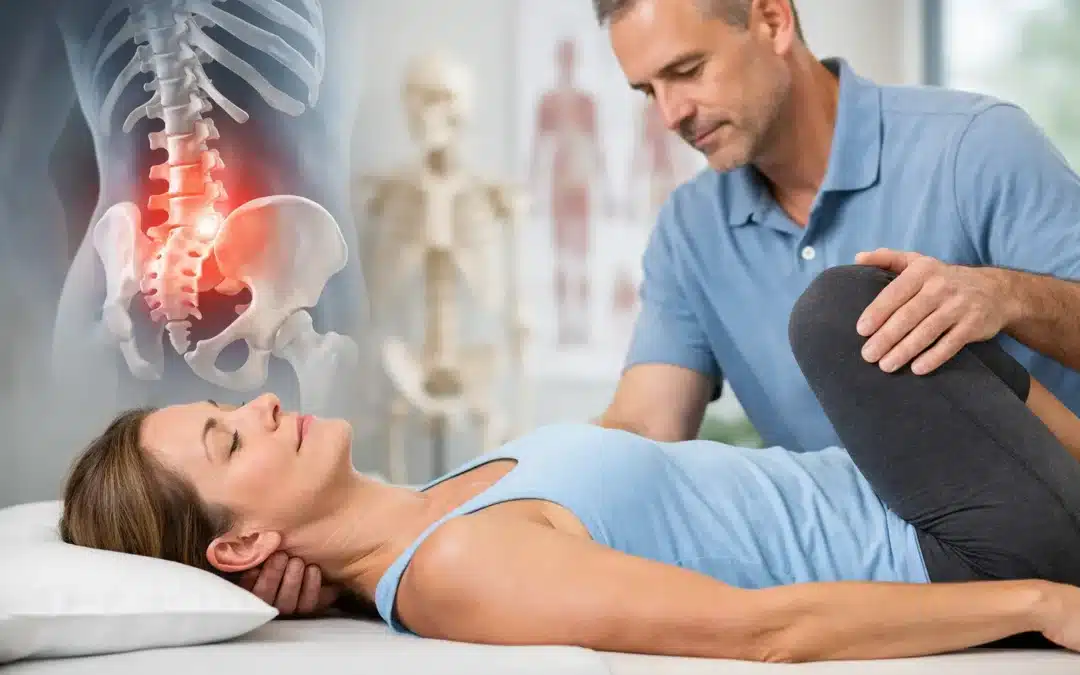
A stiff neck that returns every workweek, low back pain that flares after a long drive, or a knee that never felt quite right after an old injury can change how you move through the day. Osteopathy care is designed for these real-life concerns. Rather than focusing only on the spot that hurts, it looks at the whole picture: how your body moves, where it compensates, and what may be keeping you from feeling like yourself.
Pain is rarely just an inconvenience. It can interrupt sleep, make exercise feel risky, limit time with family, and gradually cause you to avoid movements your body needs. A thoughtful, hands-on approach can help restore comfort and confidence by addressing the patterns behind the discomfort, not simply covering up symptoms.
What Is Osteopathy Care?
Osteopathy care is a form of hands-on manual therapy that considers the relationship between the body’s muscles, joints, connective tissues, circulation, and nervous system. An osteopathic manual practitioner uses gentle, skilled techniques to assess areas of tension or restricted movement and help the body return to more balanced function.
Treatment may include soft tissue work, joint mobilization, stretching, gentle muscle-release techniques, and approaches that support circulation and lymphatic flow. The right techniques depend on the person in front of the practitioner. A desk worker with recurring headaches needs a different approach than a runner recovering from a hip or ankle injury, and a senior with stiffness needs a plan that respects their mobility and health history.
The goal is not to force the body into a position or promise an instant fix. It is to identify restrictions, improve movement where possible, and give the body better conditions for recovery. Some people feel a noticeable change after their first appointment, while others benefit most from a series of treatments combined with simple changes in movement, posture, activity, or recovery habits.
Why the Source of Pain Is Not Always Where You Feel It
The body is very good at adapting. If one joint is stiff, another area may start doing extra work. For example, limited movement in the upper back may contribute to neck tension and headaches. A restricted hip can affect the low back, knee, or foot. Tightness around the jaw and neck can sometimes be part of a larger pattern involving posture, breathing, stress, and shoulder tension.
This does not mean every ache has one simple cause. Pain can be influenced by injury history, work demands, sleep, stress, exercise habits, medical conditions, and the way the nervous system responds to ongoing irritation. That is why a whole-body assessment matters. It gives the practitioner a clearer understanding of what is moving well, what is not, and where treatment may be most useful.
For someone with sciatica-like symptoms, for instance, the treatment area may include the low back, pelvis, hips, and surrounding muscles. For recurring shoulder pain, the neck, upper back, ribs, and shoulder blade may all deserve attention. Looking beyond the painful area can reveal opportunities for more lasting relief.
What to Expect at an Osteopathy Care Appointment
A good appointment begins with listening. Before hands-on treatment starts, your practitioner should ask about your main concern, when it began, what makes it better or worse, your previous injuries, medical history, activity level, and daily routine. This conversation helps shape care around your needs rather than fitting you into a generic treatment plan.
A Movement-Focused Assessment
You may be asked to perform simple movements, such as turning your head, bending, walking, or raising an arm. The practitioner may also gently assess the movement and tension in different joints and tissues. This is not about judging how flexible or fit you are. It is about understanding how your body is currently functioning and where it may be working harder than necessary.
Gentle, Personalized Hands-On Treatment
Manual therapy should be adapted to your comfort level. Some areas may feel tender, especially when they have been irritated or overworked for a long time, but treatment should not feel aggressive or leave you feeling dismissed. Communication matters. Let your practitioner know if a technique feels too intense, if you feel nervous, or if symptoms change during the session.
Depending on your presentation, treatment may focus on improving joint mobility, calming tight muscles, reducing tension around sensitive areas, or supporting recovery after strain. For patients with swelling or a sense of heaviness, gentle techniques that encourage fluid movement may also be considered when appropriate.
A Plan for Life Between Visits
The hands-on portion is only one part of care. You may receive practical guidance for your daily routine, such as ways to modify a workstation, pace a return to exercise, support a more comfortable sleep position, or use gentle mobility exercises. The best recommendations are manageable. A plan that fits into your actual life is more useful than a long list of exercises that never gets done.
Who May Benefit From This Approach?
Osteopathic manual therapy can be helpful for people dealing with a broad range of musculoskeletal and functional concerns. It is commonly sought for back pain, neck pain, joint stiffness, posture-related tension, sports and overuse injuries, headaches, migraines, TMJ discomfort, and mobility changes associated with aging.
It can also support people whose bodies are under unusual demands. Pregnancy and postpartum changes can affect the pelvis, ribs, low back, and overall comfort. Active adults may need support returning to training after an injury. Parents may seek gentle care for children, while seniors often value treatment that helps them stay mobile and comfortable in everyday activities.
Results depend on the underlying issue. A recent muscle strain may respond differently than persistent pain that has developed over years. In some cases, osteopathy care works well alongside care from a physician, physiotherapist, dentist, massage therapist, or other health professional. Coordinated care is often the most sensible path when symptoms are complex.
Building a Realistic Plan for Lasting Change
Lasting improvement usually comes from consistency, not intensity. Your care plan may begin with closer appointments when pain or restriction is more significant, then shift toward maintenance or as-needed visits as movement improves. The pace should be based on your goals, response to treatment, and the demands of your everyday life.
It also helps to define success clearly. For one person, that may mean sitting through a full workday without a headache. For another, it may mean getting back to recreational sports, lifting a child comfortably, sleeping through the night, or taking a walk without fear of a pain flare-up. These practical milestones matter more than chasing perfect posture or expecting your body to never feel sore again.
Your practitioner should explain what they are finding, what treatment is intended to address, and what you can reasonably expect. If progress stalls, the plan may need to change. Honest reassessment is part of personalized care, not a sign that you have failed.
When Medical Assessment Should Come First
Manual therapy is not a substitute for urgent medical care. New or severe symptoms such as chest pain, sudden weakness, loss of bladder or bowel control, unexplained weight loss, fever with significant pain, fainting, major trauma, or a rapidly worsening condition should be assessed promptly by a medical professional.
It is also wise to discuss new symptoms with your physician when you have a serious medical condition, recent surgery, unexplained swelling, or concerns that have not been evaluated. A responsible osteopathic manual practitioner will recognize when referral or additional investigation is appropriate.
For people in Milton and nearby communities, Osteo Difference offers a calm, personalized space to discuss what has been bothering you and what better movement could look like in your day-to-day life. The most useful first step is often simple: bring the full story of your pain, your routine, and your goals, so your care can begin with the whole person in mind.