
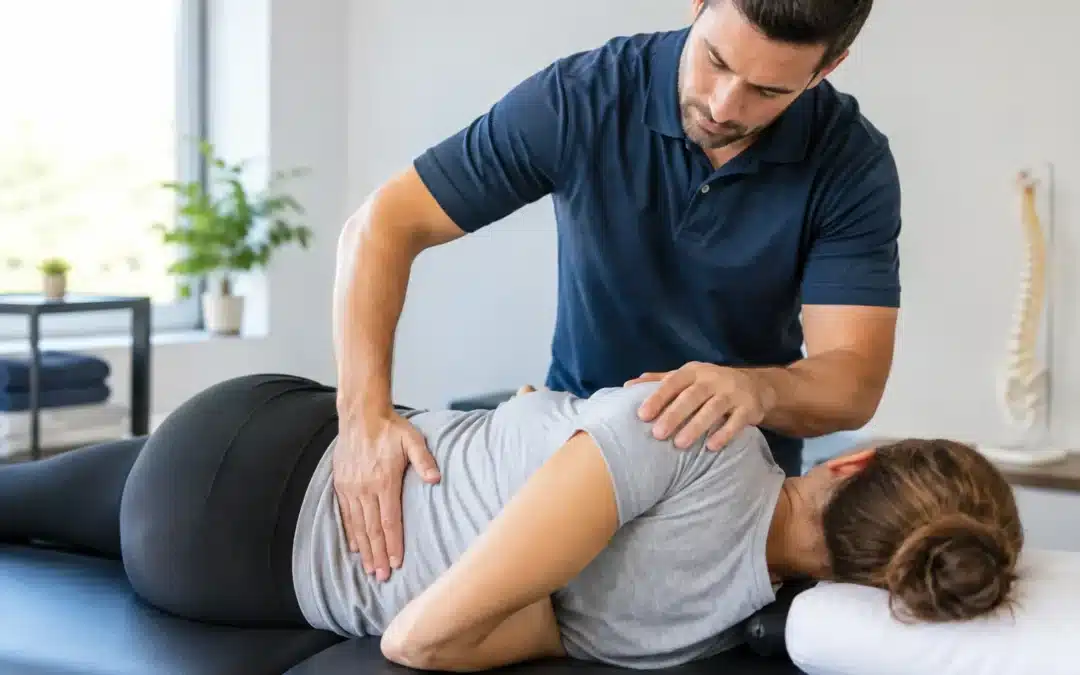
A stiff neck that returns after every workweek, low back pain that makes a simple walk feel difficult, or a sports injury that never quite settles can affect far more than one part of the body. Halton osteopathic therapy offers a hands-on approach for people who want real relief from pain while also understanding why it keeps coming back.
Rather than focusing only on the area that hurts, osteopathic manual therapy looks at the whole picture: how you move, how your joints and soft tissues work together, and where your body may be compensating. For many people in Milton and across Halton Region, that perspective can make the difference between short-term comfort and a clearer path toward better movement.
What Halton osteopathic therapy looks at
Pain is not always created where it is felt. A person with recurring shoulder tension may have limited movement through the upper back. Someone with knee discomfort may be shifting weight because of an old ankle injury. Headaches can be influenced by neck tension, jaw mechanics, posture, stress, or a combination of factors.
Osteopathic manual therapy considers these connections. Treatment uses gentle, hands-on techniques to assess and address restrictions in muscles, joints, fascia, and surrounding tissues. The goal is to support healthier movement and circulation so the body is better able to function without constantly guarding, straining, or compensating.
This does not mean every concern has one hidden cause or one quick fix. Persistent pain can be complex, particularly when it involves an old injury, repetitive work demands, arthritis, poor sleep, or several areas of tension at once. A thoughtful assessment helps determine which factors may be contributing and what type of care is appropriate.
Why symptoms can keep returning
Many people can identify the moment discomfort began. They lifted something awkwardly, increased their training, spent a long stretch at a desk, or woke up with a stiff back. Yet the reason symptoms linger is often less obvious.
When movement is painful, the body naturally protects itself. You may avoid turning your head fully, put more weight through one leg, tighten your jaw, or stop using a shoulder normally. Those protective patterns can be useful for a short time. If they continue, however, they may place extra demand on other tissues and make everyday movement feel increasingly limited.
This is why treating only the painful spot may not always be enough. An osteopathic practitioner may assess the joints above and below the area, your range of motion, tissue tension, posture, and the way you describe your symptoms. That broader assessment is not about making treatment complicated. It is about identifying practical places to begin.
Conditions that may respond to hands-on care
People seek osteopathic manual therapy for many reasons, from a recent strain to discomfort that has built slowly over months. It can be a supportive option for back and neck pain, sciatica-like symptoms, joint stiffness, posture-related tension, headaches, migraines, TMJ discomfort, and recovery from sports or overuse injuries.
It may also help people who feel generally restricted or “off” after long hours of sitting, physical work, travel, pregnancy-related changes, or reduced activity. Seniors often seek care to maintain comfortable mobility, while active adults may want help returning to training with better movement awareness.
The right approach depends on the person and the condition. Acute pain after a fall may need medical assessment first. Long-standing symptoms may benefit from a gradual plan that includes treatment, changes to daily movement, and coordination with other health professionals when needed. Manual therapy is not a replacement for emergency care, diagnostic imaging when indicated, or medical treatment for serious conditions.
A closer look at headaches and jaw tension
Headaches are a good example of why whole-body care matters. Tension around the neck, shoulders, upper back, and jaw can contribute to certain headache patterns. For some people, long periods of screen use or teeth clenching add to the strain.
Hands-on treatment may focus on improving mobility and reducing tension in these related areas. Just as important, your practitioner can discuss habits that may be sustaining the problem, such as workstation setup, sleep position, training load, or frequent jaw clenching. If headaches are new, severe, changing quickly, or accompanied by symptoms such as weakness, confusion, fever, or vision changes, urgent medical care is essential.
What happens during an appointment
A good osteopathic appointment begins with listening. You should have time to explain what you are feeling, when it began, what makes it better or worse, and how it affects work, sleep, exercise, or family life. Previous injuries, health history, medications, and relevant medical care also matter.
The physical assessment may include observing posture and movement, checking joint mobility, and gently feeling for areas of tension or sensitivity. Your comfort, privacy, and consent should remain central throughout the visit. You can ask questions, request an explanation of a technique, or let your practitioner know if something does not feel right.
Treatment is tailored rather than standardized. Depending on your needs, it may involve gentle joint mobilization, soft-tissue work, stretching, positional techniques, or methods intended to support circulation and lymphatic flow. Some people notice change after one visit. Others need time, especially when pain has been present for a long period or daily demands continue to aggravate the issue.
You may also receive simple guidance between appointments. That might mean a movement exercise, a pacing strategy for activity, an adjustment to your desk setup, or advice on returning to a sport gradually. The purpose is not to give you a long checklist. It is to provide realistic steps that fit your life and help protect the progress made during treatment.
Choosing care that fits your needs
When considering Halton osteopathic therapy, look for a provider who explains their approach clearly and treats you as an active participant in your care. You should understand what is being assessed, why a particular technique is being used, and what progress may reasonably look like.
Convenience matters too, especially when pain or limited mobility makes appointments difficult. Flexible morning, evening, and weekend options can make it easier to seek care before discomfort becomes more disruptive. For people who cannot comfortably travel, in-home appointments may also be a valuable option.
At Osteo Difference, care is centered on attentive assessment and a personalized plan, not rushing from symptom to symptom. That means recognizing that a desk worker with neck pain, a runner with hip tightness, a pregnant patient with pelvic discomfort, and a senior managing stiffness each need a different starting point.
When to seek medical attention first
Osteopathic manual therapy can be part of a broader wellness and recovery plan, but some symptoms require prompt medical evaluation. Seek urgent care for chest pain, sudden shortness of breath, severe or sudden headache, loss of bowel or bladder control, unexplained weakness or numbness, fainting, fever with significant pain, or pain following a serious accident.
It is also wise to speak with a medical provider when symptoms are worsening, unexplained, or not responding as expected. Collaborative care is a strength, not a setback. The safest plan is the one that matches the nature of your symptoms.
Pain can make your world smaller, one avoided movement at a time. Thoughtful hands-on care can help you understand the patterns behind that discomfort, restore confidence in movement, and create room for the activities that make daily life feel like your own again.