
A stiff neck after long workdays, recurring low back pain after lifting, or a knee that never feels quite right after a sports injury can make anyone search for answers. If you are considering osteopathy alternatives, the best option is rarely the one with the boldest promise. It is the care that fits your symptoms, health history, comfort level, and goals for everyday movement.
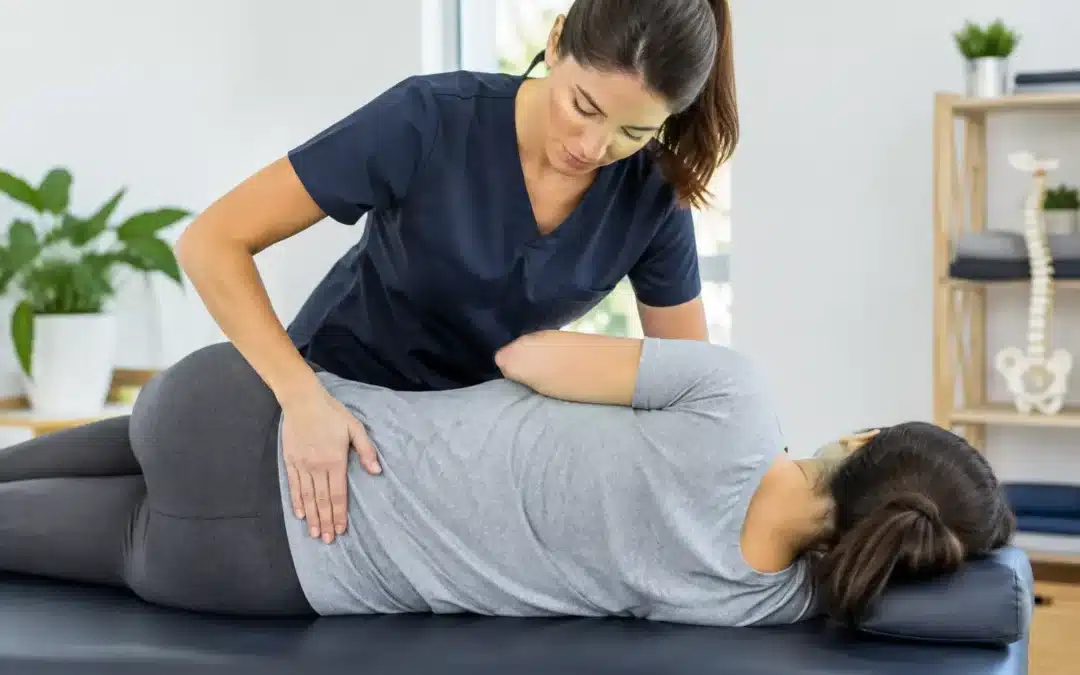
Osteopathic manual therapy takes a whole-body view of pain and mobility. It may use gentle hands-on techniques to address how joints, muscles, connective tissue, circulation, posture, and movement patterns affect one another. Alternatives can also be valuable, whether you prefer a different approach, need a specific type of rehabilitation, or want care that works alongside manual treatment.
When to Consider Osteopathy Alternatives
There is no single right treatment for every sore back, headache, or injury. The most helpful starting point is understanding what your body needs now. A recent ankle sprain may call for a structured return-to-activity plan. Long-standing desk-related neck tension may respond well to movement changes, strengthening, and hands-on care. Pain that is severe, unexplained, or accompanied by other symptoms needs medical assessment first.
An alternative may make sense if you want more exercise-based rehabilitation, are looking for symptom-focused care, need diagnostic testing or medication support, or simply did not feel that a previous treatment approach matched your needs. Sometimes the right answer is not replacing one therapy with another. It is combining appropriate care in a thoughtful sequence.
Common Alternatives to Osteopathic Manual Therapy
Physical therapy
Physical therapy is often a strong choice for injury recovery, post-surgical rehabilitation, balance concerns, and pain that affects strength or function. A physical therapist can assess how you move, identify weakness or compensation patterns, and build a progressive exercise plan. This can be especially helpful for runners returning from an overuse injury, adults rebuilding confidence after a fall, or people whose shoulder, hip, or knee pain limits daily activity.
The main strength of physical therapy is active rehabilitation. You are usually given tools to continue improving between visits, rather than relying on treatment alone. The trade-off is that progress often depends on consistency with home exercises, and early exercises can feel challenging when pain has made movement feel unsafe.
Physical therapy and osteopathic care can also complement one another. Hands-on treatment may help reduce restrictions that make movement difficult, while guided exercise can help maintain mobility and build lasting support around a joint.
Chiropractic care
Chiropractic care commonly focuses on the spine, joints, and nervous system, often using manual adjustments, mobilization, soft-tissue work, and exercise advice. Some people seek chiropractic care for low back pain, neck discomfort, headaches, or joint stiffness.
Approaches vary considerably between practitioners. Before booking, ask how the practitioner assesses your concern, what techniques they recommend, whether they use lower-force options, and how they measure progress. A good treatment plan should make room for your preferences and explain why a particular technique is being suggested.
If forceful manipulation does not feel right for you, say so. Gentle mobilization, exercise-based care, and other forms of manual therapy may be more comfortable options. This is particularly relevant for older adults, people with osteoporosis, people who are pregnant, or anyone with a complex medical history.
Massage therapy
Massage therapy can be useful when muscle tension, stress, repetitive work, or training demands are contributing to discomfort. It may help you feel more comfortable moving and provide a period of relief from tightness in areas such as the neck, shoulders, back, hips, and legs.
Massage is often most effective as part of a broader plan. If your pain returns after every treatment, that is a sign to look beyond the tight muscle itself. Ergonomic changes, sleep position, mobility work, strength training, or a closer assessment of the involved joint may be needed to address the pattern behind the tension.
For people who feel nervous about manual treatment, massage can be a gentle entry point. Clear communication matters: let the therapist know about tenderness, prior injuries, skin sensitivity, pregnancy, medications, or any health condition that could affect treatment.
Acupuncture
Acupuncture is another option some people consider for persistent pain, headaches, muscle tightness, or recovery support. The treatment involves very fine needles placed at specific points, and some patients find it helps reduce pain sensitivity or makes movement easier while they work on rehabilitation.
Responses vary. Acupuncture is not a substitute for evaluating a significant injury or a new, worsening symptom, but it may be a reasonable part of a plan when delivered by a qualified provider. If you are taking blood-thinning medication, have a bleeding disorder, are pregnant, or have concerns about needles, discuss those details before treatment.
Medical evaluation and pain management
For some concerns, a primary care clinician, sports medicine physician, or other medical professional should be the first stop. Medical care can help rule out fractures, inflammatory conditions, nerve involvement, infection, medication side effects, or other causes that hands-on care alone cannot diagnose.
Medical support may include imaging when appropriate, medication, injections, referrals, or laboratory testing. These options can be very helpful in the right circumstances, although they also have limits. An image may show age-related changes that are not actually causing pain, while medication can reduce symptoms without correcting the movement or workload factors contributing to them. The goal is not to avoid medical care, but to use it wisely and pair it with a recovery plan when needed.
How to Choose Between Osteopathy Alternatives
Start with the question that matters most: what would meaningful improvement look like for you? For one person, it may be sitting through a workday without a headache. For another, it may be carrying a child, getting back to the gym, sleeping comfortably, or walking with confidence.
Then consider whether your care plan includes three essentials: a clear assessment, an explanation you understand, and a realistic plan for reassessment. You should know what the practitioner believes may be contributing to your symptoms, what they are recommending, and how you will decide whether it is helping.
Be cautious of promises of a guaranteed cure, pressure to commit to a large package before you understand the plan, or a provider who dismisses questions. Pain can be complex, particularly when it has lasted for months or involves stress, poor sleep, previous injuries, or changes in activity. Honest care acknowledges that recovery is rarely perfectly linear.
When Pain Needs Urgent Medical Attention
Do not delay medical care for severe or rapidly worsening symptoms. Seek urgent assessment for chest pain, difficulty breathing, fainting, sudden weakness, facial drooping, trouble speaking, loss of bowel or bladder control, numbness in the groin area, fever with significant back or neck pain, or pain after a serious fall, collision, or other trauma.
New pain accompanied by unexplained weight loss, a history of cancer, significant swelling, redness, warmth, or a major change in sensation also deserves timely medical guidance. These signs do not always indicate something serious, but they should not be managed by trial and error.
A Whole-Person Plan Can Be the Best Alternative
The most effective approach may involve more than one kind of support. For example, a desk worker with recurring upper-back tension may benefit from hands-on treatment for short-term comfort, a physical therapist’s strengthening plan, a workstation adjustment, and regular breaks that make the new habits sustainable. An athlete with hip pain may need medical assessment to rule out a significant injury before progressing through targeted rehabilitation.
At Osteo Difference, care begins by listening to the full story: when symptoms started, what makes them better or worse, how they affect your day, and what you want to return to. Whether manual osteopathic therapy is the right fit or another provider is better suited to your needs, you deserve a plan that looks at the whole picture.
The best next step is a care choice that leaves you feeling informed, respected, and more capable of participating in your own recovery. Real relief is not only about a quieter symptom today. It is about building the confidence and movement you need for the life you want to live.