
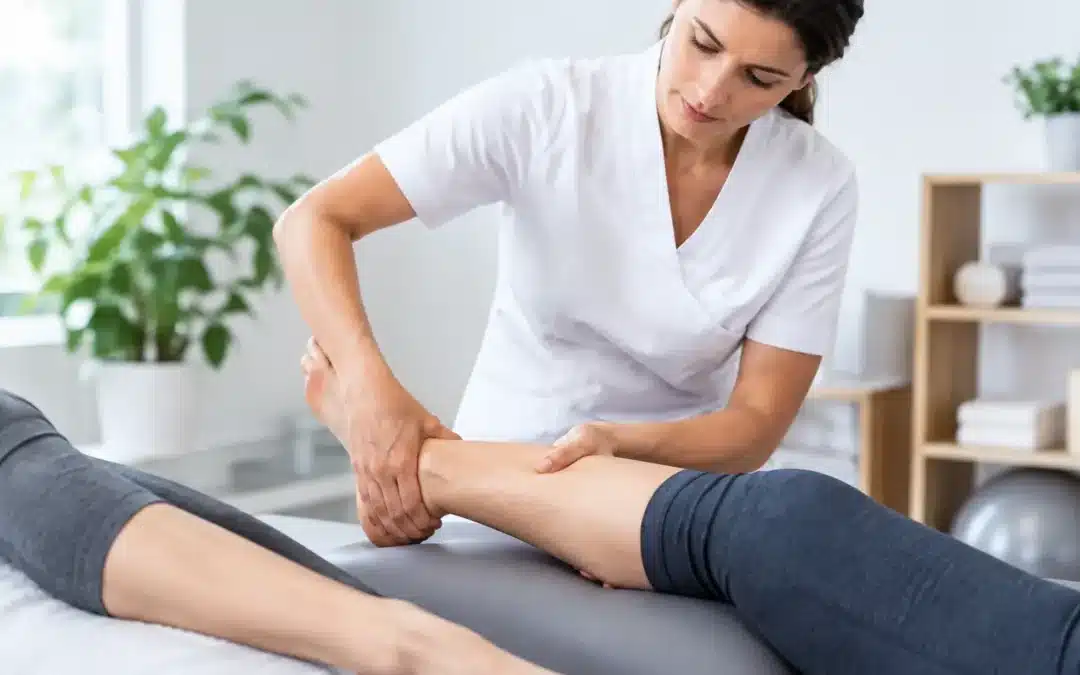
Cold feet at the end of a workday, heavy legs after standing, or hands that feel stiff and sluggish can make you wonder whether your circulation is the problem. Osteopathy for poor circulation may be a supportive part of your care when restricted movement, muscle tension, posture, or swelling are contributing to discomfort. It is not a replacement for medical assessment of a vascular condition, but a whole-body approach can help identify physical patterns that may be making it harder for your body to move comfortably.
What “poor circulation” can mean
People often use “poor circulation” to describe several different experiences: numbness or tingling, cold hands and feet, leg heaviness, cramps, swelling, skin color changes, or fatigue during activity. Some of these symptoms may be related to limited movement, prolonged sitting, tight muscles, recovery after injury, or swelling. Others can point to conditions involving the arteries, veins, heart, nerves, hormones, or medications.
That distinction matters. Circulation is not simply a matter of getting more blood to one area. Your cardiovascular system, blood vessels, lymphatic system, breathing, muscle activity, and nervous system all play a role. A careful practitioner looks at the whole picture rather than assuming every cold foot or swollen ankle has the same cause.
Manual osteopathy does not diagnose or treat serious vascular disease. If your symptoms are new, worsening, one-sided, severe, or accompanied by shortness of breath or chest pain, medical care should come first.
How osteopathy for poor circulation may provide support
Osteopathic manual therapy focuses on how the body’s structures move and work together. When joints are stiff, muscles remain guarded, breathing is shallow, or posture keeps you in one position for hours, normal movement can become less efficient. That may contribute to the feeling of heaviness, tightness, or congestion in certain areas.
An osteopathic practitioner may use gentle hands-on techniques to assess and improve mobility in the spine, ribs, pelvis, hips, legs, feet, and surrounding soft tissues. Treatment may also address areas that influence how you move throughout the day, such as a stiff upper back that limits breathing mechanics or tight hip flexors that develop after long periods at a desk.
The goal is not to promise that a manual treatment will “fix” circulation. The goal is to reduce mechanical restrictions, support comfortable movement, and help your body use its natural muscle-pumping action more effectively. Every step you take and every calf contraction you make helps encourage blood and fluid return from the lower legs. When pain, stiffness, or injury makes movement difficult, restoring mobility can be meaningful.
Movement is part of circulation support
The body is designed to change position often. Sitting through long meetings, standing in one place, or recovering on the couch after an injury can all reduce the regular muscle activity that supports lower-leg circulation and lymphatic flow.
For a desk worker, treatment may focus on posture-related tension through the hips, low back, ribs, and neck, followed by practical movement strategies that fit a busy day. For an active person, the focus may be on restoring motion after an ankle sprain, calf strain, or overuse injury that has changed the way they walk or train. For older adults, gentle care may support mobility and confidence with everyday activity.
The right plan depends on what is driving your symptoms. Someone with stiffness from prolonged sitting needs a different approach than someone with visible varicose veins, diabetes, or a history of blood clots.
Breathing, the rib cage, and fluid movement
Breathing does more than bring oxygen into the lungs. The movement of the diaphragm and rib cage helps create pressure changes that assist the return of blood and lymphatic fluid toward the chest. Persistent rib stiffness, shallow breathing, or abdominal tension may affect how freely these structures move.
Gentle osteopathic work may be used to improve mobility through the thorax, diaphragm, and abdomen when appropriate. This is especially relevant for people who feel generally tight through the chest and midsection, spend much of the day hunched forward, or notice that stress has made their breathing more shallow. It is one piece of a broader plan, not a standalone treatment for circulation concerns.
What a first appointment may involve
A thoughtful appointment begins with listening. Your practitioner should ask when symptoms began, what makes them better or worse, whether both sides are affected, and whether you have any medical diagnoses, recent surgery, pregnancy-related changes, medications, or history of vascular concerns.
The physical assessment may include observing posture, walking pattern, joint mobility, muscle tension, and areas of tenderness or swelling. Osteopathic manual therapy is then tailored to your comfort level and health history. Techniques are generally hands-on and gentle, with the aim of improving movement rather than forcing the body into position.
You may also receive simple guidance on pacing activity, changing positions more often, walking, calf and ankle mobility, breathing, hydration, or ways to set up your workstation. Recommendations should be realistic. A five-minute walk between calls is more likely to become a useful habit than an overly complicated routine.
At Osteo Difference, care is centered on understanding what may be contributing to your symptoms and creating a plan that supports lasting function, not just a brief reduction in discomfort.
When poor circulation symptoms need medical attention
Because the term “poor circulation” can cover serious conditions, it is essential to know when manual therapy is not the first step. Seek urgent medical attention for sudden swelling, pain, warmth, or redness in one leg, particularly if it occurs with shortness of breath, chest pain, coughing up blood, fainting, or rapid heartbeat. These can be signs of a blood clot or another urgent concern.
You should also speak with a medical professional promptly if you have a cold, pale, blue, or painful limb; a foot wound that is slow to heal; new weakness; loss of sensation; severe pain with walking; or symptoms that are progressively getting worse. People with diabetes, known heart or blood vessel disease, a history of clots, recent surgery, pregnancy or postpartum changes, or significant leg swelling should have individualized medical guidance.
Osteopathic care can work alongside medical care when it is appropriate and cleared for your situation. In some cases, the best outcome comes from combining medical evaluation, movement support, compression guidance from a qualified clinician, and hands-on care for the musculoskeletal restrictions that are limiting comfort and mobility.
Everyday habits that can complement treatment
Small, consistent changes often matter more than a single intense effort. If you spend long hours seated, get up regularly to walk, perform ankle pumps, or gently raise and lower your heels. If standing leaves your legs feeling heavy, alternate your stance, take short walking breaks, and avoid remaining still for long periods when possible.
Comfortable movement is usually better than pushing through pain. A gradual walking program, gentle calf mobility, and strength work recommended for your ability can support the lower body’s natural pumping action. Hydration, balanced meals, sleep, and managing stress also support overall health, though they are not substitutes for medical treatment when there is an underlying condition.
Be cautious with quick fixes. Vigorous massage over a painful, swollen, or unexplained area is not appropriate until a medical cause has been ruled out. Likewise, supplements, restrictive clothing, or compression garments are not one-size-fits-all solutions, especially for people with arterial disease or other health concerns.
A whole-body approach starts with the right question
The most useful question is not simply, “How do I improve my circulation?” It is, “What is causing these symptoms in my body?” Sometimes the answer is a long day of sitting and a stiff, guarded lower body. Sometimes it requires medical investigation before any hands-on treatment begins.
When it is appropriate, osteopathic care can help you move with less restriction, understand the patterns behind your discomfort, and build practical habits that support your daily life. If heavy legs, stiffness, or persistent tension are holding you back, a personalized assessment can offer a calmer, clearer place to start.