
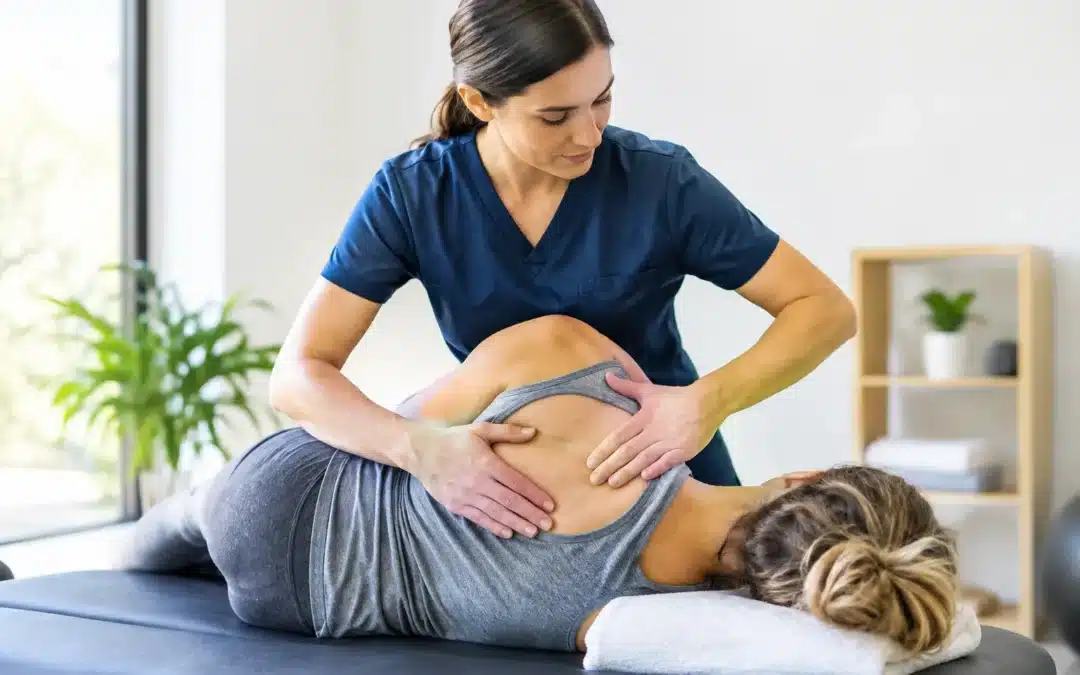
A stiff neck that returns every workweek, a low back that tightens after a long drive, or a knee that still feels unreliable months after an injury can make everyday life feel smaller. Osteo therapy is a hands-on approach designed to look beyond the place that hurts and consider why that area may be under strain in the first place.
For many people, pain is not simply a problem to push through or cover up. It can be a signal that movement, posture, joint mechanics, muscle tension, circulation, or recovery habits need more support. Manual osteopathic care looks at the whole picture, with the goal of helping your body move more comfortably and function more freely.
What Is Osteo Therapy?
Osteo therapy is a common way people describe osteopathic manual therapy: individualized, hands-on care that assesses how the body’s structures work together. An osteopathic manual practitioner may use gentle joint mobilization, soft-tissue techniques, stretching, muscle energy techniques, and other manual approaches to address restrictions in movement and tension.
The central idea is simple: the body is connected. A sore shoulder may be influenced by the way the upper back moves. Recurring headaches may be associated with jaw tension, neck stiffness, screen posture, or stress-related muscle guarding. Pain in the hip or knee can sometimes be affected by foot mechanics, pelvic movement, or a previous injury that changed how you walk.
That does not mean every symptom has one hidden cause, or that hands-on treatment is the right answer for every concern. It means a careful assessment should look beyond a single painful spot. The best treatment plan depends on your health history, daily demands, goals, and what your body can tolerate at that time.
How Osteo Therapy Approaches Pain Differently
When something hurts, it is natural to focus on getting quick relief. Relief matters, especially when pain disrupts sleep, work, exercise, or time with family. But lasting improvement often requires more than treating the most painful muscle.
A whole-body assessment may consider your posture, range of motion, strength, movement habits, old injuries, workload, stress, and how symptoms change throughout the day. For example, a desk worker with neck pain may need support for tight chest and neck muscles, but may also benefit from restoring upper-back movement and discussing more sustainable workstation habits. An active runner with calf tightness may need local treatment, while also needing an assessment of hip control, ankle mobility, training volume, and recovery.
This approach is not about blaming posture or telling you there is one perfect way to sit, stand, or move. Bodies are built to move in different ways. The concern is usually prolonged positions, repeated strain, limited recovery, or compensations that have persisted long enough to become uncomfortable.
What Happens During an Osteo Therapy Appointment?
A thoughtful first visit starts with listening. Your practitioner should ask when the problem began, what makes it better or worse, how it affects your daily life, and whether you have had previous injuries, surgeries, medical conditions, or treatments. Your goals matter too. Returning to the gym, lifting a child without fear, sleeping through the night, or walking comfortably are all meaningful outcomes.
The physical assessment may include observing movement, checking joint mobility, feeling for areas of tension, and using gentle tests to understand how different regions of the body are functioning. You should be told what the practitioner is assessing and why. Good care is collaborative, not something done without your understanding.
Treatment is then tailored to your needs. Some people respond well to very gentle techniques, while others may benefit from more focused work on muscles and joints. Treatment should never feel like you have to endure pain to make progress. You may experience mild tenderness afterward, particularly if an area has been sensitive or guarded, but your practitioner can adjust pressure and technique throughout the visit.
Most appointments also include practical guidance between visits. That may mean a few mobility exercises, changes to training load, advice about pacing activities, or simple strategies to reduce strain at work. The goal is to help you take part in your recovery, not create dependence on treatment.
Concerns That May Benefit From Manual Osteopathic Care
People seek osteo therapy for a wide range of musculoskeletal concerns. Back pain, neck pain, shoulder tension, joint stiffness, sciatica-like symptoms, sports injuries, and posture-related discomfort are common reasons to book an assessment. Some people also seek care for recurring headaches, migraines, TMJ-related tension, circulation concerns, digestive discomfort, or support for lymphatic drainage.
The right approach varies by condition and by person. Someone with a recent ankle sprain may need a plan that respects healing tissue and gradually restores movement. Someone with chronic low back pain may need a slower process that combines manual care with better movement confidence, activity pacing, and strength support. During pregnancy, treatment needs to account for changing posture, joint loading, comfort, and medical guidance.
For seniors, the focus may be maintaining mobility for daily tasks, improving confidence with movement, and reducing the stiffness that makes activities less enjoyable. For busy parents, it may be addressing the physical strain of lifting, feeding, carrying, and interrupted sleep. Individualized care matters because the same diagnosis can affect two people very differently.
When Hands-On Care Is Only Part of the Plan
Osteopathic manual therapy can be a valuable part of a broader recovery plan, but it is not a replacement for medical diagnosis or urgent care. Sudden severe pain, unexplained weight loss, fever, chest pain, fainting, significant weakness, loss of bladder or bowel control, or numbness in the groin area require prompt medical attention. A responsible practitioner will recognize when referral is appropriate.
There are also times when other care is needed alongside manual therapy. Depending on your situation, that may include imaging ordered by a physician, physiotherapy, massage therapy, medication management, mental health support, or a progressive exercise program. Coordinated care can be especially helpful after surgery, with complex injuries, or when pain has been present for a long time.
The value of osteo therapy is not that it promises to fix every problem. Its value is in careful assessment, skilled hands-on treatment, education, and a plan that respects the way your whole body and life affect recovery.
Choosing the Right Practitioner
Look for a practitioner who takes time to hear your story, explains their findings in plain language, and welcomes questions. You should understand what techniques are being recommended, what changes are realistic to expect, and what you can do between appointments. Be cautious of anyone who guarantees a cure, discourages appropriate medical care, or insists that frequent treatment is necessary without reassessing your progress.
It is also reasonable to ask about training, treatment style, fees, insurance coverage, and whether home visits are available if travel or mobility is difficult. At Osteo Difference, patients in Milton and nearby communities can expect attentive care that focuses on the source of discomfort while keeping day-to-day goals in view.
Real relief often begins when you feel heard and have a clear path forward. Whether you are recovering from an injury, dealing with years of tension, or simply want to move with more ease, the right care should leave you better informed about your body and more confident in what it can do.