
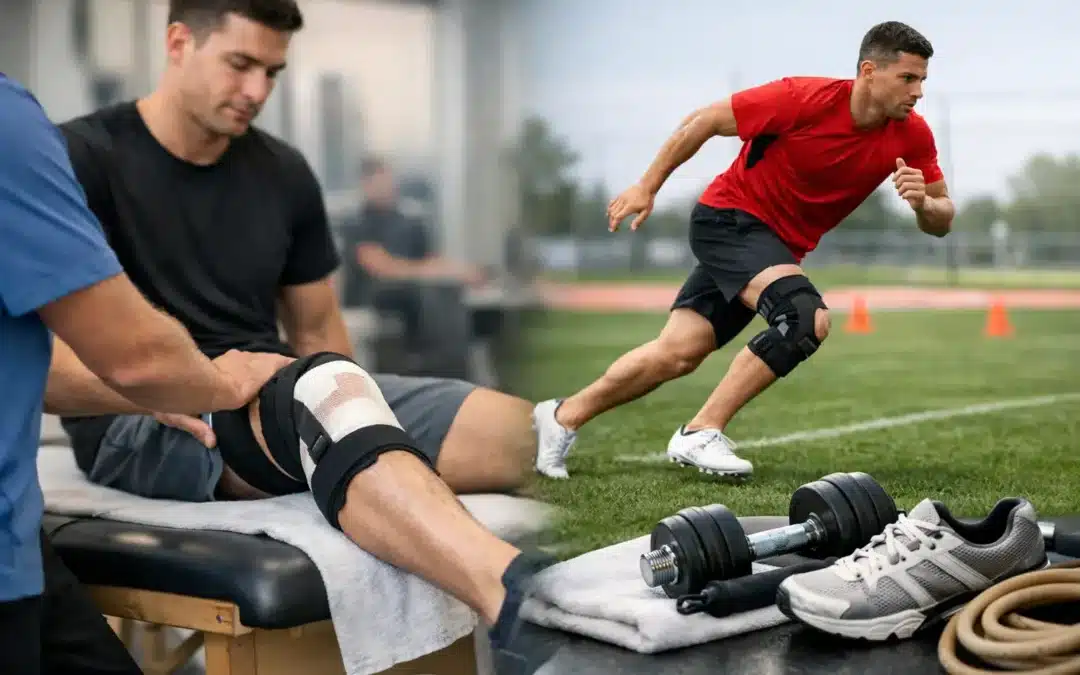
A runner feels a sharp pull in the calf halfway through a familiar route. A hockey player twists a knee during a quick change of direction. A weekend gardener wakes up with a sore shoulder after a day of lifting and reaching. In each case, sports injury recovery can feel urgent, especially when movement is part of how you work, socialize, manage stress, or simply feel like yourself.
The temptation is understandable: wait until the pain settles, then return to the same activity at the same intensity. But pain fading is not always the same as full recovery. The body may still be compensating through nearby joints and muscles, and those workarounds can turn a short-term strain into a recurring problem. A thoughtful recovery plan looks at the whole picture – how the injury happened, how your body is moving now, and what it will need to safely return to activity.
Why Rest Alone Is Not Always Enough
Rest has a place after an injury. In the first stages, reducing aggravating activity can protect irritated tissue and give the body time to begin healing. Yet complete inactivity for too long can also lead to stiffness, reduced strength, and less confidence in movement. The right balance depends on the injury, its severity, your health history, and the demands of your sport or daily routine.
A mild muscle strain may improve with modified activity and gradual mobility work. A suspected fracture, severe sprain, concussion, joint dislocation, or significant tendon injury needs prompt medical assessment. Sudden swelling, inability to bear weight, visible deformity, numbness, worsening weakness, chest pain, severe headache, or symptoms after a blow to the head should never be managed as a routine sports injury.
For many common overuse injuries and minor soft-tissue problems, recovery is less about doing nothing and more about doing the right amount at the right time. That means protecting the injured area from repeated irritation while maintaining comfortable movement elsewhere in the body.
The Hidden Effects of Compensation
The painful area is not always the only area involved. A sore ankle can change the way you walk, which may place extra stress on the knee, hip, or low back. A shoulder injury can lead you to hold your neck and upper back differently. Hip tightness can affect knee tracking during squats, stairs, or running.
These changes are not a personal failure or a sign that your body is broken. They are the body’s practical attempt to keep you moving. The problem is that compensation can become a habit if the original restriction, weakness, or movement pattern is not addressed.
This is where a whole-body approach can be valuable. Osteopathic manual therapy considers how joints, muscles, connective tissue, circulation, and posture work together. Rather than focusing only on the spot that hurts, treatment may assess related areas that are limiting motion or adding strain. Gentle hands-on techniques can support mobility and reduce tension, while practical guidance helps you make better choices between appointments.
A Smarter Approach to Sports Injury Recovery
The most reliable return to activity is usually gradual, not dramatic. It starts by establishing a clear baseline: what movements are comfortable, what creates symptoms, and how does the body respond later that day and the next morning?
A small amount of discomfort during rehabilitation does not always mean damage is occurring. However, sharp pain, increasing swelling, loss of function, or symptoms that linger and intensify after activity are signs that the current level may be too much. Recovery is not always linear. A good week can be followed by a flare-up if training volume rises too quickly, sleep is poor, or daily physical demands are higher than usual.
Begin With Comfortable Movement
Early movement may be as simple as pain-free range-of-motion exercises, short walks, or gentle activation of surrounding muscles. The goal is not to force flexibility or test your limits every day. It is to help the injured area and the rest of the body keep moving in a controlled, tolerable way.
For example, someone recovering from a mild ankle sprain may work on comfortable ankle motion and balance before returning to running drills. Someone with a sore shoulder may begin with controlled shoulder-blade and upper-back movement before resuming overhead lifts. The details matter, which is why individualized assessment is more useful than copying a generic exercise plan online.
Rebuild Capacity Before Testing Performance
Once basic movement is improving, the next step is gradually rebuilding strength, coordination, and endurance. This is the stage many active people rush through because daily activities feel easier. But being able to walk without pain is different from being ready for a full soccer match, a long run, or a heavy lifting session.
A return to sport should reflect the specific demands of that sport. Runners need progressive impact tolerance. Tennis and pickleball players need rotational control and shoulder capacity. Lifters need stable technique under load. Recreational athletes who play a stop-and-start sport need to prepare for acceleration, deceleration, and changes of direction, not just straight-line exercise.
Increasing one variable at a time is often helpful. You might add a little more duration before adding speed, or improve control before increasing weight. This approach can feel slower at first, but it gives you clearer feedback and reduces the chance of a frustrating setback.
Look Beyond the Workout
Recovery also happens between training sessions. Sleep, nutrition, stress, hydration, work posture, and daily movement all influence how well the body adapts. A person who sits for long hours after an active weekend may notice that a hip or back issue remains stubborn, even though they are doing their prescribed exercises.
You do not need a perfect routine to recover well. Consistency matters more than perfection. Regular meals with enough protein, adequate sleep, and planned recovery days can support healing and energy. Small movement breaks during desk work may also reduce the stiffness that makes an injury feel worse by the end of the day.
When Manual Osteopathy May Help
Manual osteopathy is not a replacement for emergency care, imaging when it is medically necessary, or rehabilitation directed by the appropriate healthcare professional. It can, however, be a supportive part of care for many people with muscle tension, joint restriction, reduced mobility, and movement-related discomfort after an injury.
At Osteo Difference, care begins with listening. Understanding whether your pain began during one clear incident or developed gradually helps shape the assessment. Your practitioner can consider your activity level, previous injuries, work routine, posture, and current movement patterns rather than treating a sore knee, shoulder, or back in isolation.
Hands-on treatment is tailored to your comfort and presentation. The aim is to improve mobility where the body is restricted, ease unnecessary tension, and support circulation and function. Just as importantly, you should leave with a clearer understanding of what may be contributing to the problem and what steps make sense next.
For some patients, that means a gentle return-to-activity plan. For others, it means modifying a training habit, addressing persistent stiffness from desk work, or seeking further medical evaluation before progressing. Good care does not promise a fixed timeline. It helps you make informed decisions as your body responds.
Signs You May Be Returning Too Soon
Pain is only one measure of readiness. Pay attention to changes in how you move and recover. If you are limping, avoiding one side, losing control during familiar movements, or feeling more symptoms the next day, your body may be asking for a slower progression.
It is also worth noticing whether the same injury keeps returning. Recurrent calf strains, repeated low-back tightness after golf, or a shoulder that aches every time you resume strength training may point to a contributing issue that has not been fully addressed. Looking at mobility, strength, technique, training volume, and recovery habits together can provide a more useful path forward than repeatedly resting until the symptoms settle.
Returning to the activities you enjoy should feel like a steady rebuild of trust in your body. Give recovery the time, guidance, and attention it deserves, and let each comfortable step forward become the foundation for the next.