
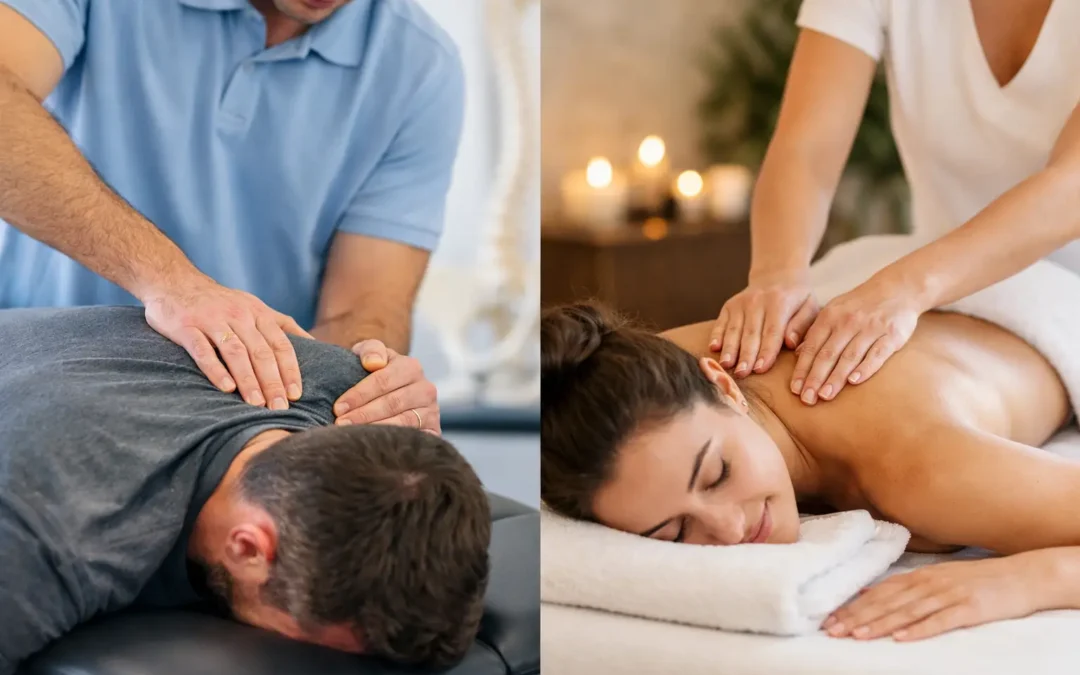
If you're looking for a Milton osteopath and wondering whether osteopathic care or massage is the better option, understanding the difference can help you choose the right treatment. Both therapies use hands-on techniques, but they have different goals depending on whether you're seeking pain relief, improved mobility, recovery after injury, or relaxation.
A tight neck after a week at the desk, a sore lower back after lifting, or a stubborn sports injury can all leave you asking the same question: should you book manual therapy or a massage? The manual therapy vs massage decision is not about which service is “better.” It is about what your body needs right now, what may be contributing to the discomfort, and whether your goal is relaxation, improved movement, or lasting recovery.
Massage can be a valuable part of self-care and recovery. Manual therapy, including osteopathic manual therapy, takes a broader hands-on approach that looks at how joints, muscles, connective tissue, posture, circulation, and movement patterns may be affecting one another. Both can help you feel better, but they are designed to do different jobs.
Manual Therapy vs Massage: The Main Difference
Massage therapy generally focuses on soft tissues, especially muscles and fascia. Depending on the style, a massage may use long gliding strokes, kneading, pressure, stretching, or targeted work on areas of tension. Many people seek massage to relax, ease muscle soreness, reduce stress, and feel more comfortable after exercise or a demanding workweek.
Manual therapy is a broader clinical approach to improving how the body moves and functions. A Milton osteopath begins with a thorough assessment, considering not only where you feel pain but also the surrounding joints, muscles, fascia, posture, and movement patterns that may be contributing to your symptoms. Treatment is then tailored to your individual needs..
The difference often comes down to the starting point. With massage, the question may be, “Which muscles feel tight or sore?” With manual therapy, the question becomes, “Why are these tissues working so hard, and what is limiting comfortable movement?” That distinction matters when pain keeps returning despite rest, stretching, or repeated massage.
What a Massage Session Is Designed to Do
A massage can be an excellent choice when your body feels generally tense, fatigued, or overworked. Perhaps your shoulders are elevated after a stressful month, your legs are heavy after training, or you simply need an hour to slow down. Massage may help calm the nervous system, increase a sense of ease, and reduce the perception of muscular tightness.
It can also complement an active recovery plan. For example, an athlete with normal post-workout muscle soreness may benefit from massage as part of their rest routine. A parent carrying a growing child, or a desk worker dealing with occasional upper-back tension, may find regular massage helpful for comfort and stress management.
That said, massage does not always address the reason tension developed. A knot between the shoulder blades may be related to prolonged sitting, limited upper-back movement, breathing mechanics, an old shoulder injury, or the way the neck is compensating. The massage may still feel helpful, but relief can be temporary if the underlying pattern remains unchanged.
What Manual Therapy Is Designed to Address
Manual therapy is often appropriate when pain, stiffness, or limited mobility is affecting everyday life. The goal is not simply to work on the spot that hurts. It is to understand the whole picture and help the body move with less strain.
For someone with low-back pain, that may mean looking at hip mobility, pelvic mechanics, core control, walking patterns, and how long they sit each day. For recurring headaches, it may include assessing the neck, jaw, upper back, posture, and areas of tension that can contribute to symptoms. For knee discomfort, the ankle, hip, training load, and movement habits may all deserve attention.
At our Milton osteopathic clinic, osteopathic manual therapy uses a gentle, individualized approach. Treatment is guided by what the practitioner finds during an assessment and by how the patient responds. Some sessions may focus on improving joint motion. Others may prioritize releasing guarded tissues, supporting lymphatic flow, or helping the body settle after an injury. Education is part of the process as well, because lasting improvement often depends on what happens between appointments.
This does not mean every concern requires a complex treatment plan. Sometimes the body needs rest, better workstation habits, gradual strengthening, or a referral to another health professional. Thoughtful care should be clear about what is likely to help and what may be outside its scope.
Signs It May Be Time to See a Milton Osteopath
You may benefit from osteopathic care if:
- Your pain keeps returning after rest or massage.
- You feel stiff or have limited movement.
- Stretching only provides temporary relief.
- Sitting or standing at work causes recurring discomfort.
- You're recovering from a sports injury.
- You experience recurring headaches, jaw tension, or neck pain.
- Hip, knee, or back pain is affecting everyday activities.
- Pregnancy or postpartum changes are making movement uncomfortable.
When Massage May Be the Better Fit
Massage may be the right choice if your main goal is relaxation, general muscle comfort, or recovery from ordinary activity-related soreness. It can be especially appealing when you do not have a specific injury, movement restriction, or recurring pain pattern to address.
You might choose massage if you want to decompress after a stressful period, support recovery after a workout, or maintain a self-care routine that helps you feel more at ease. Many people also appreciate massage for its calming effect. Stress can show up physically through jaw clenching, shallow breathing, and muscle tension, so caring for your nervous system is never a minor benefit.
The best massage experience should still be personalized. Let your therapist know about any injuries, pregnancy, medications, recent surgeries, or areas that feel sensitive. More pressure is not automatically better. Effective treatment should feel safe, respectful, and appropriate for your body.
When Manual Therapy May Be More Helpful
Manual therapy may be a stronger fit when symptoms are persistent, seem to return quickly, or interfere with normal movement. This includes concerns such as recurring back or neck pain, sciatica-like symptoms, restricted shoulder motion, hip stiffness, jaw tension, posture-related discomfort, and aches that appear during specific movements.
It can also help after an injury when you are ready to move beyond simply protecting the painful area. A careful assessment can identify compensations that developed while you were limping, avoiding a motion, or changing how you exercise. Addressing those patterns may help you regain confidence in movement without pushing through pain.
For older adults, manual therapy can support mobility and comfort when stiffness makes daily tasks harder. During pregnancy and the postpartum period, gentle hands-on care may help address the physical strain of changing posture, carrying, feeding, and lifting. For desk workers, the focus may be less about “fixing posture” and more about restoring movement options so one position does not overload the same tissues all day.
Can You Combine Manual Therapy and Massage?
Yes. For many people, manual therapy and massage work well together. Manual therapy may address joint restrictions, movement habits, and patterns contributing to pain, while massage can support relaxation and soft-tissue comfort. The right combination depends on your health history, activity level, goals, and how your body responds.
Many patients choose to combine osteopathic care with massage therapy. Osteopathic care can help identify and address movement restrictions or biomechanical factors contributing to pain, while massage therapy supports muscle recovery, relaxation, and overall well-being.
For example, someone recovering from a sports injury might use manual therapy to restore comfortable range of motion and follow a progressive return-to-activity plan. Massage may then be useful for general muscle recovery as training increases. Someone with chronic work-related tension may benefit from manual therapy to address neck and upper-back mobility, while booking massage periodically for stress relief.
Communication between providers is helpful when possible, but your own feedback matters most. Notice what improves after care, how long relief lasts, and what activities continue to trigger symptoms. Those details help shape a plan that is responsive rather than routine.
What to Expect During Your Osteopathic Care Appointment
A manual therapy appointment should begin with listening. Your practitioner will ask about your symptoms, health history, daily activities, previous injuries, and what you want to return to doing comfortably. If you're visiting a Milton osteopath for the first time, the assessment will also include questions about your daily activities, previous injuries, work habits, exercise routine, and movement goals to better understand what may be contributing to your symptoms. You may be asked to perform simple movements so the practitioner can observe range of motion, balance, and areas of compensation.
Hands-on treatment is then adapted to your needs and comfort level. Osteopathic manual therapy is typically gentle, but gentle does not mean passive or ineffective. The intention is to reduce unnecessary strain, improve mobility, and encourage the body’s natural ability to adapt and recover.
You should leave with a clearer understanding of what may be contributing to your symptoms and what to do next. That may include simple movement advice, pacing strategies, hydration, rest, or guidance about when to seek further medical assessment. Real relief from pain is more meaningful when you understand how to protect and build on it.
Choosing Care That Makes Sense for You
If you are deciding between manual therapy and massage, begin with your goal. Choose massage when you primarily want relaxation, stress relief, or help with general muscle soreness. Consider manual therapy when pain is recurring, movement feels limited, an injury has changed how you use your body, or you want care that looks beyond the immediate sore spot.
Seek prompt medical care for severe or worsening pain, unexplained weakness, numbness, loss of bladder or bowel control, fever, significant swelling, or symptoms following a serious accident. Hands-on care can be supportive, but it should never delay appropriate medical evaluation.
At Osteo Difference in Milton, Ontario, we provide personalized osteopathic care for back pain, neck pain, headaches, sports injuries, pregnancy-related discomfort, TMJ concerns, and mobility restrictions. Whether massage therapy, osteopathic care, or a combination of both is the right approach, our goal is to help you move more comfortably, recover with confidence, and better understand what may be contributing to your symptoms.
Key Takeaways
- Massage therapy primarily focuses on relaxing muscles and reducing soft-tissue tension.
- Osteopathic care evaluates how muscles, joints, fascia, posture, and movement work together.
- Manual therapy may help when pain keeps returning or movement feels restricted.
- Massage and osteopathic care often complement one another.
- A Milton osteopath can help determine the most appropriate treatment based on your symptoms and goals.
Frequently Asked Questions
Is osteopathic care better than massage?
Neither treatment is inherently better. Massage therapy is often chosen for relaxation and muscle tension, while osteopathic care focuses on identifying and addressing factors that may be contributing to pain, stiffness, or limited movement.
Can a Milton osteopath help with back pain?
Many people seek osteopathic care for back pain, neck pain, headaches, sports injuries, pregnancy-related discomfort, and mobility restrictions. Treatment is individualized based on your assessment and symptoms.
Can osteopathic care and massage work together?
Yes. Many patients benefit from combining osteopathic care and massage therapy. Osteopathic care can address movement restrictions, while massage therapy can help reduce muscle tension and support recovery.
How do I know whether I need massage or osteopathic care?
If your main goal is relaxation or relief from general muscle soreness, massage may be appropriate. If pain keeps returning, movement feels restricted, or daily activities are becoming difficult, an assessment with a Milton osteopath may help identify contributing factors.